Staten Island, NY · Richmond County
Wet Insulation Removal in Staten Island, NYMold Prevention After Water Damage & Wet Attic Insulation Removal
Wet Insulation Removal for Staten Island properties involves wet attic insulation removal, attic moisture inspection, and attic drying services.
Answered 24/7
Expert Wet Insulation Removal for Staten Island Homes
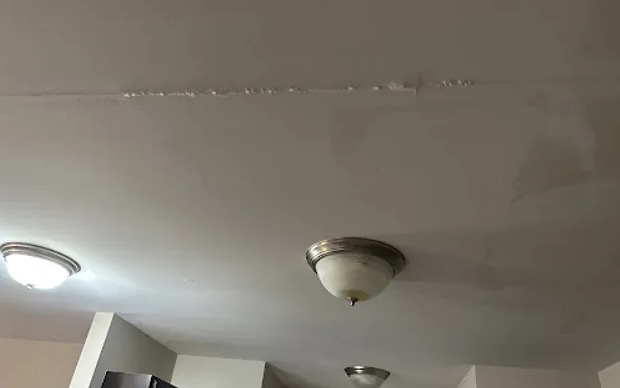
For homes throughout Staten Island, an attic leak can soak through the insulation and drip into rooms below, staining ceilings and reaching light fixtures.
Homes in Staten Island and nearby Carteret, Linden and Bayonne get the same process after an attic leak: inspection, removal of wet insulation, drying to industry standards, and replacement.
Specialized Wet Insulation Removal Offerings
Mold Prevention After Water Damage
After drying, an EPA-registered antimicrobial may be applied to attic wood in Staten Island to slow mold on surfaces that were wet.
Wet Attic Insulation Removal
Pros use insulation vacuums to clear wet blown-in fill, leaving bare joists and ceiling drywall ready for drying.
Ceiling Water Damage Cleanup
Ceiling cleanup covers stained or sagging drywall and plaster. Pros may cut out soaked sections, remove pooled water, and dry the framing for repair.
Attic Drying Services
Local restoration pros set up air movers and dehumidifiers across the whole attic and keep them running until readings meet industry drying standards.
Attic Leak Water Cleanup
Cleanup begins by finding and stopping the water source. Pumps and wet-dry vacuums remove standing water, then the affected surfaces are cleaned.
Warning Signs of Wet Insulation Damage
Mold Growth on Wood Surfaces
Black or green spots on rafters or sheathing mean the attic has stayed damp long enough for mold to start.
Rust Stains on Ventilation Pipes
Rust on plumbing vents or HVAC ducts in the attic points to ongoing condensation or a slow leak wetting the insulation nearby.
Increased Heating or Cooling Bills
A sudden jump in heating or cooling costs can mean attic insulation is wet and no longer slowing heat flow.
Peeling Paint in Upper Rooms
Bubbling or peeling paint on ceilings below the attic often means moisture is moving down from wet insulation above.
How Wet Insulation Removal Works in Staten Island
Step 1: Attic Water Extraction
Standing water is pumped or vacuumed out of the attic first so it stops soaking into the ceiling below.
Step 2: Moisture Mapping and Contained Removal
Moisture meters and thermal imaging show exactly which insulation is wet, which sets the scope of removal and replacement.
Step 3: Targeted Drying and Decontamination
Drying focuses on the areas where insulation came out, and an antimicrobial may be applied to the wood before new material goes in.
Step 4: Precision Insulation Installation
New insulation is installed to fit the attic's layout and ventilation, at the depth the home needs.
Sources of Water Damaged Attic Insulation
Overflow From a Clogged Gutters
Gutters packed with debris overflow against the roof edge, and the water can seep into the attic eaves and insulation.
Vent Pipe Sweating and Dripping
Uninsulated plumbing vent pipes can sweat in damp weather and drip onto the insulation below, keeping it wet.
Appliance Malfunction in an Attic
Water heaters or humidifiers placed in an attic can leak or burst, flooding the insulation and the ceiling below.
Roof Leaks From Storm Damage
Missing shingles or damaged flashing from wind or hail let rain into the attic, where it soaks straight into the insulation.
Wet Insulation Removal for Homes and Businesses
Residential Wet Insulation Removal
In homes, the focus is protecting the ceiling and the family's comfort. Local pros remove wet insulation safely and fit the new material around existing vapor barriers and vents.
Commercial Wet Insulation Removal
Commercial jobs need planning for large material removal and disposal. The experts often work after hours, from drying through final replacement, to keep the business running.
Wet Insulation Removal vs. Handling It Yourself
After a storm, look in the attic for drips or puddles if it is safe, and take photos for your records. Soaked insulation should be removed by the pros, not by hand.
Understanding Wet Insulation Removal Cost in Staten Island
The cost to remove and replace wet insulation in Staten Island varies with attic access, how much water must be extracted, and disposal fees for the old material.
Required Drying Time
More days of drying with air movers and dehumidifiers means more equipment time on the final bill.
Attic Accessibility
A cramped or hard-to-reach attic takes more labor and time to clear wet insulation and set up drying equipment.
Emergency Service Timing
Work done at night, on weekends, or on holidays to stop active water can cost more than scheduled work.
Does Insurance Cover Wet Insulation Removal?
Your policy language decides coverage for attic insulation removal. The pros provide thermal images and readings to support the claim; confirm limits and deductibles with your insurer.
Benefits of Local Restoration Pros in Staten Island
Mold Prevention Protocols
Antimicrobial treatment may be applied after drying to slow mold on attic wood that stayed wet.
IICRC-Standard Water Extraction
Attic water is extracted with industry drying methods, which protects the ceiling and framing from further soaking.
Professional Attic Drying Services
Commercial dehumidifiers and air movers dry rafters and sheathing to normal levels, not just the surface.
24/7 Emergency Wet Insulation Removal in Staten Island
Wet attic insulation hurts energy efficiency and keeps the roof deck damp. For wet insulation removal and replacement in Staten Island at any hour, call (347) 983-9353.
Call Now (347) 983-9353Wet Insulation Removal Serving Staten Island and Nearby Areas
If your attic in Staten Island has taken on water, the insulation likely needs attention. Local pros serve Staten Island and areas like Carteret, Linden and Bayonne.
Wet Insulation Removal Information and Answers
What happens during attic leak water cleanup?
The leak is stopped, standing water is extracted, soaked insulation is removed, and the attic is dried and cleaned before anything new goes in.
What follows after water damaged insulation replacement?
Pros often take a final moisture reading to confirm the attic is dry and may suggest ways to keep the attic ventilation working well.
Why does water extraction from insulation need special care?
Insulation holds water like a sponge against the wood. Pros use extractors and remove the wet material, since a shop vacuum cannot pull water out of it.
Why must wet attic insulation be removed promptly?
Wet insulation stops slowing heat flow and holds water against the wood. Removing it quickly lets the framing dry before rot or mold can start.
What is mold prevention after water damage?
After drying, pros may apply an EPA-registered antimicrobial to exposed wood. It slows mold while any leftover moisture clears from the attic.