Staten Island, NY · Richmond County
Hardwood Floor Water Damage Repair in Staten Island, NYHardwood Floor Finish Restoration & Wet Subfloor Drying
Hardwood Floor Water Damage Repair in Staten Island includes hardwood floor drying services, hardwood floor cupping repair, and wet subfloor drying.
Answered 24/7
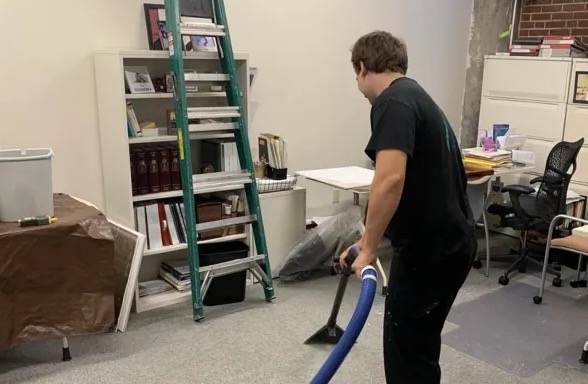
Trusted Hardwood Floor Water Damage Repair in Staten Island, New York
In Staten Island, drying the subfloor is a key part of hardwood repair. A damp subfloor keeps pushing moisture back into the boards and undoes surface drying.
Hardwood floor drying in Staten Island and surrounding communities like Carteret, Linden and Bayonne focuses on saving the original boards. Pros record moisture readings in the boards and subfloor each day until the wood is dry. Property owners in Staten Island can call (347) 983-9353 day or night to start hardwood floor water damage repair.
Hardwood Floor Water Damage Repair and Restoration Services
Hardwood Floor Finish Restoration
Professionals can refinish water-affected hardwood floors, sanding away minor warping or staining and applying new coats of finish to return the floor to its pre-damage appearance and durability.
Wet Subfloor Drying
The subfloor under hardwood often gets soaked. Local water damage pros in Staten Island dry it through access points or drying mats so mold does not start below the boards.
Hardwood Floor Water Extraction
Local water damage pros in Staten Island remove the visible water first and then draw water out of the plank seams before drying starts.
Hardwood Floor Drying Services
The experts set up high-capacity air movers and specialized floor drying mats to draw moisture from deep within the wood, stabilizing the boards to prevent permanent warping.
Hardwood Floor Mold Prevention
The specialists use dehumidification and careful application of antimicrobial agents on the dried hardwood and subfloor to help protect your home from secondary biological damage.
Indicators You Need Professional Hardwood Floor Drying
Expansion at Room Edges
Gaps closing up near walls or boards pushing against trim show the wood has swollen.
Visible Mold
Black or white specks on wood or along baseboards can be mold and need attention.
Cupping or Warping Boards
Board edges curling up, called cupping, mean the underside of the floor took on water.
Dampness Under Area Rugs
Water trapped under rugs can go unnoticed, so check under them after a leak.
How Hardwood Floor Water Damage Repair Works in Staten Island
Step 1: Damage Assessment
The pros check the floor with meters and by eye to see how far the water went.
Step 2: High-Efficiency Water Removal
Extractors pull the water out of the cracks and grooves between the boards.
Step 3: Airflow Pattern Setup
Airflow is set up to dry the floor evenly without drying it so fast that boards crack.
Step 4: Final Sanding and Refinishing
Once the wood is fully dry, sanding and refinishing can restore the look of the floor.
Common Causes of Hardwood Floor Water Damage in Staten Island
Foundation or Slab Leaks
Moisture rising through a concrete slab can soak the subfloor and the boards above it.
Pet Accidents and Spills
Large or repeated spills that are not dried fully soak into the seams.
Natural Flooding Events
Storm water or flash flooding entering the home can soak hardwood across a whole room.
Plumbing Fixture Failures
A burst pipe under a sink or a failed toilet seal can send water across a hardwood floor.
Hardwood Floor Water Damage Repair for All Properties in Staten Island
Residential Hardwood Floor Water Damage Repair
In homes, drying after a flood or burst pipe can save hardwood from replacement. The pros take photos and readings for your insurance claim.
Commercial Hardwood Floor Water Damage Repair
In commercial spaces, cupped hardwood is checked with meters after any water event and dried so it looks right for tenants and customers.
Why Professional Hardwood Floor Water Damage Repair Beats DIY
Safely document the damage for insurance by taking clear photographs of the affected floors and the water source. Note the time and circumstances. A homeowner can run a dehumidifier in the room if one is available.
Factors Affecting Hardwood Floor Water Damage Repair Price
The cost of hardwood floor water damage repair in Staten Island depends on how wet the wood is, the square footage and the repairs needed, such as subfloor drying or refinishing.
Severity of Cupping
Badly cupped floors may need sanding or new boards, which adds labor and materials.
Presence of Subfloor Damage
A wet subfloor needs extra drying and sometimes repair, which adds to the work.
Emergency Service Timing
After-hours or 24/7 drying calls may be billed at a different labor rate.
Does Insurance Cover Hardwood Floor Water Damage Repair?
Whether insurance covers subfloor drying and hardwood repair depends on your policy. The pros give you a clear record of the damage and the work done.
The Value of Professional Hardwood Floor Water Damage Repair in Staten Island
Detailed Damage Documentation
Pros systematically document all damage with photos and moisture data, creating a clear record for your files or insurance.
Targeted Cupping Repair
Cupped floors are dried slowly first, and sanding is done only once the wood is stable.
Specialized Moisture Inspection
Moisture meters find hidden wet areas in the planks and subfloor so nothing is missed.
Emergency Response for Hardwood Floor Water Damage Repair
For water on hardwood after a leak or flood, call (347) 983-9353. The pros in Staten Island can start extraction and drying 24/7 to save as much of the floor as possible.
Call Now (347) 983-9353Hardwood Floor Water Damage Repair Near Staten Island: Areas Served
Emergency hardwood floor drying is available in Staten Island and in nearby Carteret, Linden and Bayonne, day or night.
Your Hardwood Floor Water Damage Repair Questions for Staten Island
How is hardwood floor water extraction performed?
Truck-mounted or portable extractors remove standing water, and floor tools pull water from between planks without scratching the finish.
What is hardwood floor water damage repair?
It covers water extraction, drying, moisture checks and, where needed, cupping repair or refinishing of water-damaged wood floors.
What steps are taken to prevent mold after hardwood floor water damage?
Rapid water extraction and drying are the primary defenses. The pros may also apply EPA-registered antimicrobial agents during the hardwood floor mold prevention step to inhibit mold.
What are the signs of hidden water damage under hardwood floors?
A musty smell, cupping that does not improve, buckling or mold at the edges can mean the subfloor is still wet.
What is involved in hardwood floor finish restoration?
After the wood is fully dry and any cupping is repaired, the old finish is sanded off and a new protective coating is applied that blends with the original appearance.