Staten Island, NY · Richmond County
Wastewater Cleanup in Staten Island, NYSewage Mold Prevention & Sewage Damage Cleanup
Wastewater Cleanup for Staten Island covers sewage mold prevention, contaminated carpet removal and sewage sanitization so the space is safe again.
Answered 24/7
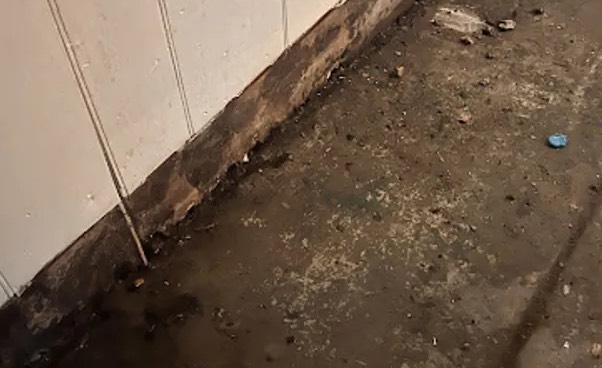
Professional Wastewater Cleanup in Staten Island, NY
For homes in Staten Island, a sewage backup disrupts daily life and creates real health risks. The mess needs cleanup and sanitizing, and delays let moisture spread and odors set in.
Sewage backups in Staten Island homes and businesses need quick action. Local sewage cleanup experts serve this community and nearby places like Carteret, Linden and Bayonne, extracting the sewage and sanitizing and drying every affected area.
Available Wastewater Cleanup Options
Sewage Mold Prevention
Fast drying matters after a backup. The pros run industrial dehumidifiers so walls and subfloors dry before mold starts.
Sewage Damage Cleanup
After extraction, specialists clean every hard surface and item the sewage touched with professional cleaning agents.
Sewage Backup Drywall Repair
Removing contaminated drywall during cleanup prevents lingering odors and supports proper restoration.
Contaminated Carpet Removal
The pros remove and bag contaminated flooring following strict rules for biohazard waste in Staten Island.
Sewage Backup Carpet Cleaning
When sewage soaks carpet in Staten Island, the pros extract it first, then deep clean and sanitize the fibers when the carpet can be saved.
Signs Your Home Needs Sewage Cleanup
Sewage Odors After Heavy Rain
Sewage smells after heavy rain can mean the city sewer is overloaded and backing up.
Visible Sewage Around Floor Drain
Black water or solids around a basement floor drain confirm a sewage backup.
Sewage Backup in Multiple Fixtures
Toilets, showers and sinks backing up at once usually mean the main sewer line is blocked.
Soggy Lawn Over Sewer Line
A soggy or sunken patch of lawn over the sewer line may mean a break or clog.
How Wastewater Cleanup Works in Staten Island
Step 1: Secure Area and Extract Sewage
Pros secure the area and use submersible pumps to remove sewage and cut the health risk.
Step 2: Remove Irreparable Materials and Carpet
Soaked drywall, insulation and carpet are removed from the home and disposed of properly.
Step 3: Apply Disinfectants and Sanitize
A broad-spectrum disinfectant is applied to all remaining surfaces to destroy germs.
Step 4: Complete Drying and Final Inspection
Drying equipment runs until moisture is normal, and a final inspection confirms the work.
Common Causes of Sewage Backups in Staten Island
Flushing Inappropriate Materials
Flushing wipes, paper towels or similar items causes clogs that turn into backups.
Collapsed or Damaged Sewer Pipes
Old clay pipes or pipes shifted by soil can break and stop sewage from flowing out.
Municipal Sewer System Overload
Heavy rain can overload city sewers and force water back through the lowest drains.
Foreign Objects in Sewer Line
Toys, gravel or other debris in the main line can stop the flow completely.
Wastewater Cleanup for All Property Types
Residential Wastewater Cleanup
Sewage can ruin carpet, drywall and belongings within hours. Pros document the damage for insurance, then extract the water and dry the structure.
Commercial Wastewater Cleanup
Restaurants, offices and stores face special risks from sewage. Pros extract it to protect stock and equipment, then sanitize and remove odors.
Wastewater Cleanup vs. DIY: When to Call Sewage Sanitation Pros
Report the incident to your insurer after photographing the scene. Do not start repairs or throw out damaged items until the cleanup company has finished documenting the loss.
What Affects Wastewater Cleanup Expense
Pricing near Staten Island depends on how complex the removal is, the equipment needed and how long sanitizing and drying take.
Type of Materials Damaged
Drywall and carpet may need removal, while hard surfaces may only need intensive cleaning.
Sanitization Protocol
The level of decontamination needed affects the materials and time the job requires.
Structural Drying Time
The time needed for the area to dry completely affects the total labor hours.
Does Insurance Cover Wastewater Cleanup?
Cost might be covered under a water damage clause or a sewer backup endorsement. Contact your insurer promptly, since local pros can record the damage for their review.
Why Choose Local Pros for Wastewater Cleanup in Staten Island
Structured Drying Process
Industrial air movers and dehumidifiers dry the structure fully after sewage removal.
Comprehensive Odor Removal
Odor treatments and air scrubbing address the source of sewage smells, not just mask them.
Health Risk Mitigation
Proper cleanup procedures deal with the biological hazards that contaminated water carries.
Emergency Sewage Backup Response
A sewage backup is an urgent health hazard in your home. For emergency extraction and cleanup in Staten Island, contact the specialists at (347) 983-9353.
Call Now (347) 983-9353Local Wastewater Cleanup Coverage Area
Residents in Staten Island, plus areas like Carteret, Linden and Bayonne, can get full sewage sanitizing after a backup.
Common Wastewater Cleanup Queries
How long does sewage damage restoration take?
Usually several days for extraction, drying and sanitizing, plus time for any repairs afterward.
What does the sewage sanitization process include?
Applying EPA-registered antimicrobial agents to every affected surface to kill germs and make the area safe.
What is involved in sewage backup cleanup?
Emergency extraction, disinfecting surfaces, removing damaged materials, thorough drying and often air testing afterward.
How is sewage damage different from clean water damage?
Sewage carries harmful germs, so it needs stricter safety steps and sanitizing than clean water damage.
What areas of a home can sewage affect?
Any area with a drain, most often bathrooms, basements and laundry rooms, with damage spreading to walls and belongings.