Staten Island, NY · Richmond County
Contaminated Water Cleanup in Staten Island, NYContaminated Carpet Removal & Sewage Backup Water Removal
Contaminated Water Cleanup in Staten Island runs from emergency water mitigation and sewage backup water removal to contaminated carpet removal.
Answered 24/7
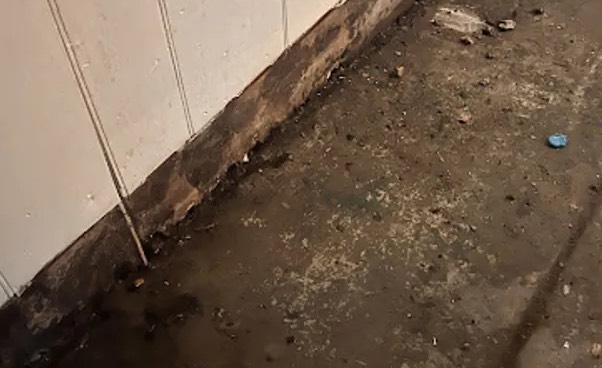
Trusted Contaminated Water Cleanup Solutions in Richmond County
Gray water and black water are the two kinds of contaminated water. In Staten Island homes, gray water comes from appliances and sink drains, and black water comes from sewage and floodwater.
A sewer backup in Staten Island can contaminate a whole floor quickly. Local water damage pros serve Staten Island and nearby Carteret, Linden and Bayonne, with help available around the clock.
Comprehensive Contaminated Water Cleanup Offerings in Richmond County
Contaminated Carpet Removal
Carpet and pad soaked by sewage, floodwater or old gray water are cut out, bagged and removed from the home.
Sewage Backup Water Removal
Sewage from a backed-up toilet, floor drain or tub is extracted with protective gear, and the affected area is sealed off from clean rooms.
Emergency Water Mitigation
Help is available any hour, because contaminated water spreads bacteria and odor into more materials the longer it sits.
Sewage Water Cleanup
Water carrying waste or other biological contamination is extracted with full protective gear, and the area is cleaned in a contained zone.
Flooded Basement Cleanup
Contaminated water in a basement is pumped out, soaked materials are removed and the slab and lower walls are cleaned and disinfected.
Indicators You Require Emergency Contaminated Water Cleanup
Chemical Spill on Property
Water mixed with a spilled chemical, fuel or oil needs careful handling and possibly a hazardous materials contractor.
Mold After a Flood
Dark spots on walls or floors after a flood mean contaminated materials have stayed wet too long.
Visible Sewage in Carpet
Carpet with visible waste, debris or brown staining has absorbed contaminated water and must be removed.
Sewage Backup in Home
Sewage coming up through toilets, tubs or floor drains is black water and needs protective cleanup right away.
How Contaminated Water Cleanup Works in Staten Island
Step 1: Emergency Assessment and Containment
Water use is stopped, power is made safe and the area is sealed off with plastic sheeting.
Step 2: Contaminated Water Extraction
Workers in protective gear extract the water and remove solids and debris.
Step 3: Deep Cleaning and Disinfection
Porous materials such as carpet and drywall are removed, and hard surfaces are scrubbed and disinfected.
Step 4: Drying and Moisture Control
Air movers, dehumidifiers and air scrubbers dry the structure, with readings taken daily.
Common Causes of Water Damage in Staten Island
Appliance Malfunctions and Leaks
Washers, dishwashers and sink drains leak or back up with soapy, dirty gray water.
Natural Disaster Aftermath
After storms and floods, water carries debris and contaminants from streets and yards.
Industrial or Chemical Spills
Spills of fuel, oil or chemicals can mix with water and spread across floors and soil.
Landscape Irrigation Issues
Irrigation runoff carrying fertilizer and soil can seep into lower levels through walls.
Property Contaminated Water Cleanup for All Staten Island Buildings
Residential Contaminated Water Cleanup
Homeowners need to know what can be saved. Hard furniture can often be cleaned, while mattresses, upholstery and carpet soaked by sewage are usually discarded.
Commercial Contaminated Water Cleanup
Property managers in multi-unit buildings often see backups that affect several units on a shared line. Each unit is cleaned and documented separately.
Contaminated Water Cleanup vs. DIY: When to Call the Pros
If you are not sure whether the water is clean, treat it as contaminated. Keep everyone, including pets, away from it and call (347) 983-9353 for an assessment.
Estimating Contaminated Water Cleanup Expenses in Richmond County
The cost of contaminated water cleanup in Staten Island depends on the type of contamination, how far it spread and how much material must be removed.
Contamination Category
Black water costs more to clean up than gray water, since more materials are removed and disinfected.
Access Complexity
Crawl spaces, basements and tight areas take longer to reach and clean safely.
Required Drying Time
Drying after cleaning can take several days, and each day of equipment adds cost.
Does Insurance Cover Contaminated Water Cleanup?
Photos, removal lists, moisture readings and drying logs from local water damage pros help support a contaminated water damage claim in Staten Island.
Selecting Local Pros in Staten Island for Your Contaminated Water Cleanup
Preventive Mold Strategies
Fast cleanup and drying, plus treatment where needed, limits microbial growth after contaminated water.
Structural Drying Expertise
Walls, subfloors and framing are dried after cleaning, not just the visible surfaces.
Containment and Sanitization
The area is sealed off and cleaned so contamination stays out of clean rooms.
24/7 Emergency Contaminated Water Cleanup in Staten Island
Sewage or dirty water spreading in Staten Island? Stop running water in the house, keep everyone away and call (347) 983-9353. Help is available 24/7.
Call Now (347) 983-9353Local Contaminated Water Cleanup Areas Including Staten Island
Besides Staten Island, the pros handle contaminated water cleanup and disinfection in nearby Carteret, Linden and Bayonne.
FAQ on Contaminated Water Cleanup for Staten Island Properties
What is the process for toxic spill water removal?
The area is made safe, the water is removed without spreading it and surfaces are cleaned with suitable products. Large spills may need a hazmat contractor.
What should be done while waiting for contaminated water removal?
Stop water use, keep people and pets away, shut off power to wet areas if safe and take photos.
Can microbial growth be avoided after contaminated water damage?
Usually, if contaminated materials are removed and the structure is dried quickly after cleaning.
What happens during the drying phase after cleanup?
Air movers and dehumidifiers dry the cleaned structure, and readings are taken daily until it is normal.
How does emergency water mitigation help prevent mold?
Removing contaminated water and materials quickly and drying the structure keeps microbial growth from starting.