Staten Island, NY · Richmond County
Dehumidification Services in Staten Island, NYCrawl Space Drying & Attic Moisture Removal
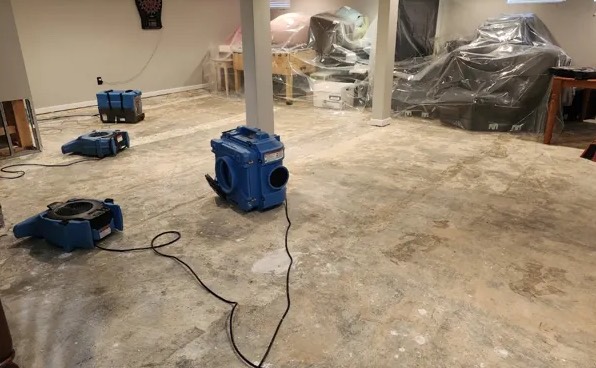
Dehumidification Services in Staten Island run from emergency water damage drying and crawl space drying to commercial building dehumidification.
Answered 24/7
Professional Dehumidification Services in Staten Island, NY
Drying after water damage in Staten Island goes faster when it starts right after extraction. Wet materials and damp air feed each other, and the longer they sit, the more damage spreads.
A flooded room in Staten Island keeps releasing moisture for days. Local water damage restoration pros serve Staten Island and nearby Carteret, Linden and Bayonne, with help available around the clock.
Dehumidification Services in Staten Island
Crawl Space Drying
Crawl space drying pairs dehumidification with air movers aimed at the framing, with readings on the wood at each visit.
Attic Moisture Removal
Dehumidifiers and air movers placed in the attic pull moisture from wet decking, rafters and insulation after a roof or AC leak.
Wet Drywall Drying Services
Drywall that got wet is dried with dehumidifiers and directed airflow, often through small holes at the base of the wall.
Mold Prevention Dehumidification
Dehumidification helps prevent mold but does not remove mold that has already started. Affected materials are removed separately.
Whole-House Dehumidification
Humidity readings are taken in each room, and dehumidifiers are moved as rooms reach normal levels.
Symptoms Requiring Dehumidification Services in Staten Island
Clammy or Damp Feeling Air
Air that feels clammy or heavy, even with the AC running, suggests high indoor humidity.
Peeling Paint or Wallpaper
Paint or wallpaper that peels or bubbles often has moisture behind it.
Musty Odors in Closed Spaces
A musty smell in closets, basements or closed rooms points to damp materials or high humidity.
Persistent Condensation on Windows
Windows that fog or drip on the inside show the air holds more moisture than it should.
How Dehumidification Services Work in Staten Island
Step 1: Site Inspection
Humidity and material readings are taken across the affected area to set the drying plan.
Step 2: Drying Equipment Deployment
Equipment is sized and placed for the space, including attics, crawl spaces or large rooms.
Step 3: Active Drying Management
Readings are logged daily, and dehumidifiers are moved as each area dries.
Step 4: Post-Drying Evaluation and Report
A report shows starting and final readings and when each area reached normal levels.
Sources of Indoor Humidity and Dehumidification Solutions in Staten Island
Foundation Cracks and Seepage
Foundation cracks let groundwater seep in, keeping basements and lower levels damp.
Flooding From External Sources
Floodwater from outside soaks everything it reaches, leaving the whole space damp.
Crawl Space Vapor Barrier Failure
A torn or missing crawl space vapor barrier lets ground moisture rise into the house.
Condensation From Temperature Differences
Warm, moist air meeting cold surfaces such as pipes and walls condenses into water.
Both Residential & Commercial Dehumidification Services in Staten Island
Residential Dehumidification Services
Homeowners renting a store-bought dehumidifier often find it cannot keep up with soaked materials. Commercial units dry the space faster.
Commercial Dehumidification Services
Restaurants and medical offices need drying that keeps humidity and dust under control in areas that must stay clean.
Professional Dehumidification vs. DIY in Staten Island
Do not run fans on materials soaked by sewage or floodwater, since they spread contamination through the house. Those materials need cleaning or removal before any drying.
Factors Affecting Dehumidification Services Cost in Staten Island
In Staten Island, starting drying soon after the leak usually shortens the job, which lowers the total equipment cost.
Accessibility of the Area
Tight attics and crawl spaces take longer to set up and monitor than open rooms.
Presence of Contaminants
Water from drains or floods needs cleaning and disinfection before drying, adding cost.
Duration of Drying Process
Drying usually takes several days, and each day of equipment adds to the total.
Does Insurance Cover Dehumidification Services?
Photograph the wet areas before drying starts, and keep receipts for emergency extraction, drying equipment rental and any hotel stay during drying.
Why Choose Local Pros for Dehumidification Services in Staten Island
Cross-Contamination Control
Containment keeps damp or dusty air from contaminated areas out of the rest of the building.
Drying Verification
Drying ends when readings match unaffected dry areas of the building, not when surfaces look dry.
Commercial Equipment
Commercial dehumidifiers remove far more water each day than household units from the store.
24/7 Emergency Dehumidification Services in Staten Island
Water damage that needs drying in Staten Island? Call (347) 983-9353 to get dehumidifiers and air movers in place. Help is available 24/7.
Call Now (347) 983-9353Dehumidification Services for Staten Island and Nearby Communities
Need dehumidification services outside Staten Island? Service also covers Carteret, Linden and Bayonne, including emergency drying after hours.
Common Dehumidification Services Questions Answered
How is progress measured during a dehumidification project?
With daily humidity readings in the air and moisture meter readings on drywall, wood and concrete.
How long does basement dehumidification take after a leak?
Often several days or longer, since basement concrete and cool air hold moisture. Readings show when it is done.
How does dehumidification protect drywall and wood?
It pulls moisture out of the air so wet drywall and wood can dry before they swell, warp or weaken.
What equipment is used for attic drying?
Dehumidifiers sized for attics, air movers aimed at decking and rafters and moisture meters to track the wood.
What happens during dehumidification aimed at preventing mold?
Humidity is kept low and materials are dried quickly, so they do not stay wet long enough for mold to begin.