Staten Island, NY · Richmond County
HVAC Water Leak Cleanup in Staten Island, NYDuctwork Condensation Water Removal & Moisture Remediation For HVAC Systems
HVAC Water Leak Cleanup in Staten Island covers AC condensate leak water removal, HVAC cabinet water extraction and emergency HVAC leak cleanup.
Answered 24/7
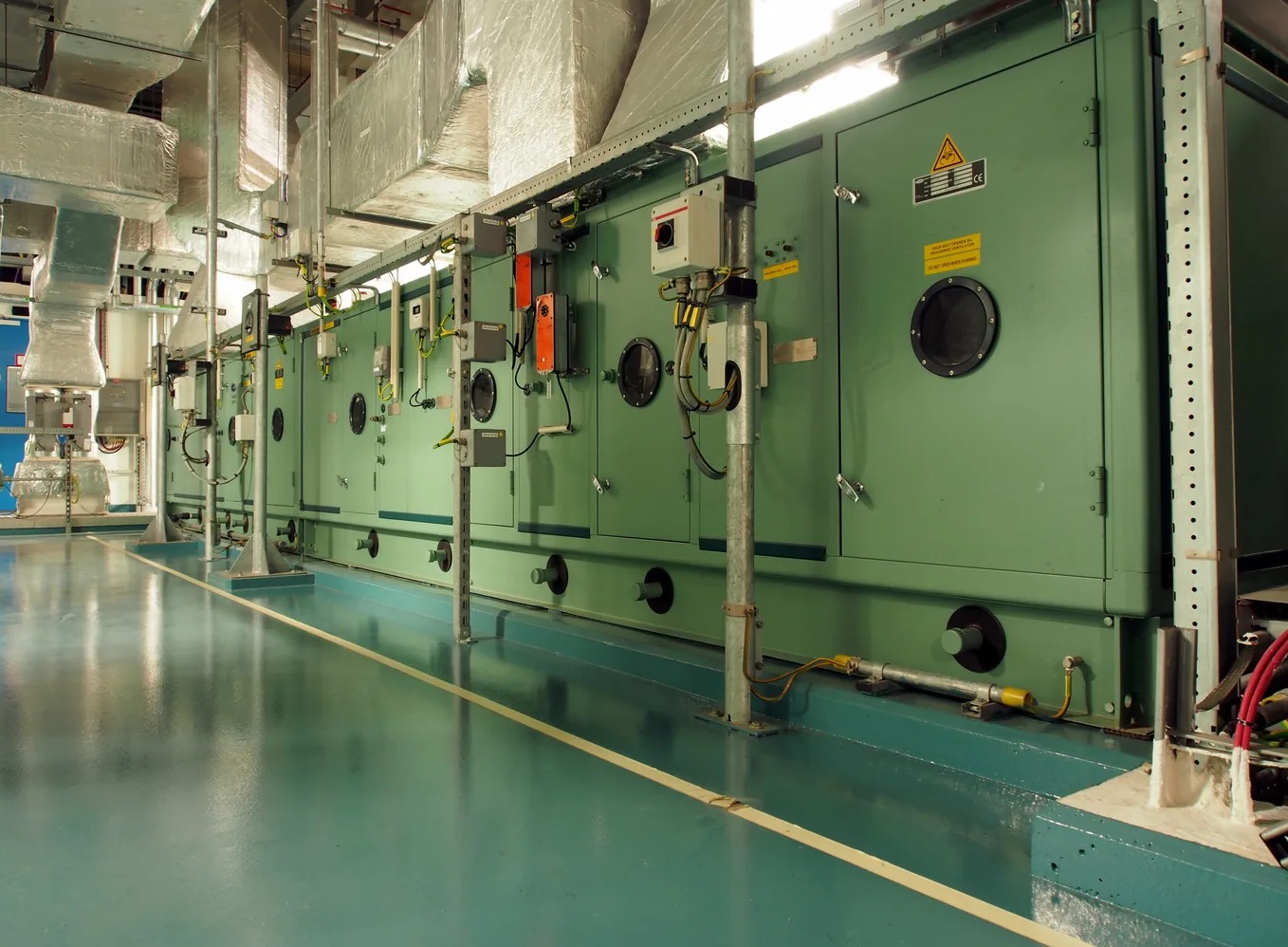
Expert HVAC Leak Water Removal in Staten Island NY
A leaking coil in Staten Island creates two jobs. An HVAC contractor repairs the coil, and the water that already escaped has to be removed and dried.
When an HVAC leak occurs in Staten Island, water needs to come out quickly to protect interior finishes and electrical systems. Local water removal pros serve this community and nearby areas like Carteret, Linden and Bayonne, extracting water around the unit and drying wet ductwork before damage spreads.
Specialized HVAC Leak Water Removal Services in Staten Island
Ductwork Condensation Water Removal
Wet, sagging insulation around ducts signals a condensation problem. Cleanup involves water extraction and drying of duct surfaces and insulation.
Moisture Remediation for HVAC Systems
After the water is out, the air in the room is still damp. Dehumidifiers run until humidity is back to normal, which lowers the risk of mold.
AC Condensate Leak Water Removal
A rusted or cracked condensate pan leaks directly from the AC coil. Prompt water removal prevents corrosion and electrical hazards.
HVAC Drain Line Flood Cleanup
A completely blocked primary condensate drain line can overflow the secondary pan. Cleanup requires extracting the spilled water and clearing the line.
Wet Insulation Removal Near HVAC
Soggy insulation in a mechanical closet or crawlspace is a health concern. Local water damage pros remove it as part of restoration.
Warning Signs You Need HVAC Leak Water Removal
AC Drain Line Overflowing
Water spilling from the condensate drain line or its overflow port means the drain is blocked and needs attention now.
Reduced Cooling or System Shutdown
An AC that shuts itself off may have a float switch that tripped because the drain pan is full of water.
Visible Rust on Metal Components
Rust forming on the evaporator coil cabinet, drain pan, or supports indicates prolonged moisture exposure.
Wet or Sagging Insulation Nearby
Damp insulation around an attic unit or in nearby walls holds water against the drywall and framing.
How HVAC Water Leak Cleanup Works in Staten Island
Step 1: Water Removal Initiation
The pros use pumps and wet vacuums to remove the bulk water from a flooded drain line area.
Step 2: Detailed Moisture Detection
Meters and thermal cameras check concealed spaces so no wet spot behind a wall or above a ceiling is missed.
Step 3: Controlled Drying Environment
Professionals create a controlled environment with dehumidifiers and air movers to dry wet ductwork, insulation and building materials.
Step 4: Final Clearance and Prevention Advice
A final check confirms everything is dry, and you get tips on keeping the condensate drain clear.
Frequent Sources of HVAC Leak Water Damage in Staten Island
High Static Pressure in Ducts
An oversized system or closed vents can upset airflow and drainage, so condensate does not drain as it should.
Obstructed Air Filter or Ducts
Badly restricted airflow lets frost build on the cold coil, and the water floods the pan when it melts.
Frozen Evaporator Coil Thawing
A coil freezing due to low refrigerant or airflow can release large volumes of water upon thawing.
Cracked or Disconnected Drain Pan
A damaged or misaligned secondary drain pan beneath the evaporator coil fails to catch condensation overflow.
Commercial and Residential HVAC Leak Water Removal in Staten Island
Residential HVAC Water Leak Cleanup
For homeowners, the pros address water from central AC units, attic air handlers, and basement furnaces. They extract the water to protect flooring, drywall and belongings, then dry wet ductwork.
Commercial HVAC Water Leak Cleanup
In businesses, water from rooftop units, mechanical rooms and long duct runs can reach offices, stock and electronics. The pros remove it and dry the space while working around business hours.
HVAC Leak Water Removal: DIY Risks and Pro Solutions in Staten Island
For minor, isolated wet spots on drywall, you can dry the area with fans and dehumidifiers. Puncture small holes at the base for cavity drying. If the leak is ongoing, the stain large, or drywall sagging, professional intervention is critical.
HVAC Leak Water Removal Cost in Staten Island, NY
For AC water damage, the number of drying days and the number of air movers and dehumidifiers drive most of the cost. HVAC repairs are billed separately.
Leak Source and Severity
Whether the leak came from a drain line, the coil or the pan changes how much water there is and where it went.
Water Contamination Category
Clean condensate is simpler to handle than dirty overflow from a drain line, which needs extra cleaning.
Post-Extraction Repairs
Some jobs need small drain line or insulation repairs after drying, which are priced separately.
Does Insurance Cover HVAC Water Leak Cleanup?
For HVAC water cleanup, a policy may cover the water damage but not fixing the failed part. The pros document the wet area and the drying, and the insurer makes the coverage decision.
Reasons to Hire Local Pros for HVAC Leak Water Removal in Staten Island
24/7 Emergency Response
Getting to a leaking AC early limits how far water spreads and how much it rusts parts in the unit.
Detailed Damage Documentation
Photos and meter readings of the water damage give your adjuster clear records for the claim.
Precision Wet Insulation Removal
Wet insulation near the unit is removed so it does not hold water against framing and grow mold.
Emergency HVAC Leak Water Removal for Staten Island Properties
HVAC drain line floods need immediate attention to stop water damage. For HVAC leak cleanup and moisture remediation, contact the experts at (347) 983-9353.
Call Now (347) 983-9353HVAC Water Leak Cleanup Service Area Around Staten Island
Wet ductwork and HVAC leak water are dried in Staten Island and in nearby Carteret, Linden and Bayonne, for homes and businesses.
HVAC Leak Water Removal Common Questions
What's the difference between water extraction and drying?
Extraction removes the liquid water. Drying uses dehumidifiers and air movers to pull out the moisture left in insulation, drywall and wood.
What causes an HVAC drain line to flood?
Algae, sludge or debris clog the condensate drain and the pan overflows. A disconnected or cracked drain line can also send water onto the floor.
After HVAC system water cleanup, what repairs are needed?
Beyond drying, repairs might include unclogging or replacing a drain line, replacing wet insulation, and servicing the HVAC unit.
What documentation do pros provide for insurance?
The pros take photos and moisture readings and keep a drying log of the cleanup that you can send to your insurer.
Is emergency HVAC leak cleanup necessary?
It is when water is spreading. Removing it early keeps it from reaching walls, ceilings and the rooms nearby, which keeps the damage smaller.