Staten Island, NY · Richmond County
Water Damage Assessment in Staten Island, NYMold Growth Risk Assessment & Structural Damage Inspection
Water Damage Assessment in Staten Island includes water leak source detection, moisture mapping and documentation, and structural damage inspection.
Answered 24/7
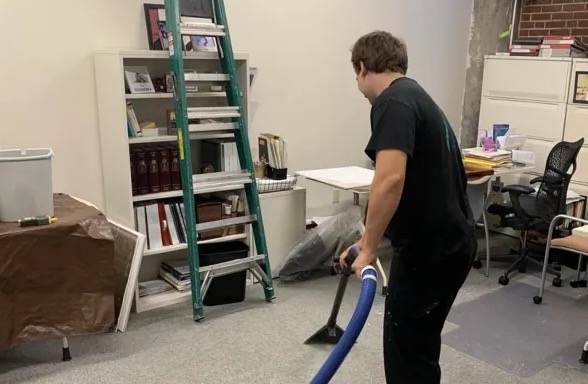
Professional Water Damage Assessment in Staten Island, NY
In Staten Island, a water damage assessment shows how far a leak or flood spread and what needs repair, which helps avoid surprises later. Local water removal experts check the structure and map the moisture.
In Staten Island, a water damage evaluation maps moisture, checks the structure and lists damaged contents. The experts also serve places such as Carteret, Linden and Bayonne.
Complete Water Damage Assessment Process for Staten Island
Mold Growth Risk Assessment
Preventing mold is easier than remediating it. The experts use moisture data to predict risk areas and recommend actions during drying.
Structural Damage Inspection
Long-term moisture deteriorates wood and metal fasteners. The experts examine joists and studs for hidden rot or corrosion during the assessment.
Restoration Scope
The final output is a clear restoration scope. The experts compile findings into a report detailing steps like drying, cleaning, and repairs.
Water Damage Report
A clear record of the event is needed. The water damage documentation report from the experts details all findings with photos and sensor data.
Hidden Water Damage Inspection
Water often spreads to unseen areas in Staten Island. The experts conduct a hidden water damage inspection using advanced detection tools.
Do You Need a Water Damage Inspection in Staten Island?
Stained or Sagging Insulation
Discolored, damp, or drooping insulation in an attic or crawlspace is a red flag for ongoing water infiltration.
Rust on Pipes or Appliances
Corrosion on metal pipes, water heater tanks, or under sinks can be a symptom of persistent condensation or minor leaks.
Visible Mold Patches
Spots of mold on surfaces are a clear sign of excess moisture and demand a thorough mold inspection after water damage.
Musty or Moldy Odors
A persistent damp, earthy smell can signal hidden moisture and potential mold growth risk, requiring immediate investigation by the pros.
How Water Damage Assessment Works in Staten Island
Step 1: Emergency Contact and Leak Containment
The experts respond to your call to first stop active water flow. This initial leak detection services step prevents further flooding and stabilizes the situation for a detailed inspection.
Step 2: Thorough Moisture Mapping and Inspection
Pros use moisture meters and thermal cameras to map all affected areas, including inside walls and under floors.
Step 3: Damage Classification and Scope Outline
The experts determine the water category and class, assessing contamination levels. They then create a restoration scope and estimate outline detailing the necessary repairs and drying protocol.
Step 4: Detailed Reporting and Plan Presentation
You receive a complete water damage report with photos, moisture readings, and findings. The experts review the drying equipment plan and next steps for restoring your property.
Typical Water Leak Origins in Staten Island
Roof Leaks and Compromised Flashing
Damaged shingles, cracked flashing, or clogged gutters allow water to seep into attics and walls during rainstorms.
Appliance Malfunctions and Failures
Water heaters, washing machines, dishwashers, and refrigerators can leak due to worn hoses, faulty valves, or internal tank failures.
Faulty or Aging Building Envelopes
Deteriorated window seals, siding gaps, or degraded caulking allow wind-driven rain to infiltrate the structure over time.
Human Error and Accidental Overflows
Overflowing bathtubs, sinks, or toilets are common household incidents that can quickly cause significant water damage if not addressed.
Local Water Damage Assessment for All Staten Island Property Types
Residential Water Damage Assessment
In condos and houses, the assessment checks damp areas like crawl spaces for mold risk, which shapes the drying plan.
Commercial Water Damage Assessment
For restaurants and hotels, the experts check kitchens, laundry areas and guest rooms so health concerns are part of the cleanup plan.
Calling Water Removal Experts vs. Self-Inspection for Water Damage
Take clear, well-lit photos and video from several angles for your insurer. Do not touch suspected mold. For the formal report insurers often require, call the pros.
Investment for Water Damage Assessment in Staten Island
In Staten Island, cost depends on the number of rooms inspected and the moisture mapping equipment needed for the job.
Drying Plan Complexity
Developing a detailed drying equipment plan for a large-scale flood damage assessment influences the initial evaluation phase.
Water Category and Class
Determining if water is clean, gray, or black, along with its evaporation rate, adds complexity to the evaluation.
Extent of Water Intrusion
The size of the leak and the number of rooms affected set how long the inspection takes.
Does Insurance Cover Water Damage Assessment?
Whether your policy includes emergency water damage inspection costs depends on its language. The pros provide the necessary moisture meter readings and damage documentation for your claim process.
Advantages of Hiring Local Experts for Water Damage Assessment in Staten Island
IICRC-Standard Inspection Methods
The pros follow industry standards for moisture mapping and leak detection, so the assessment of properties in Staten Island is accurate.
Focus on Source Detection
Identifying the exact water leak source is prioritized to prevent ongoing damage during the assessment phase.
Detailed Moisture Mapping
Meters and thermal cameras show the full extent of the water, including what is hidden.
Emergency Water Damage Assessment in Staten Island, NY
Hidden water after a sudden leak? Call (347) 983-9353 at any hour for an inspection that records the damage before it spreads.
Call Now (347) 983-9353Staten Island and Region Water Damage Assessment Availability
Water damage assessments are available for homes and businesses throughout Staten Island and nearby areas like Carteret, Linden and Bayonne.
Water Damage Assessment FAQs
Is mold inspection after water damage always necessary?
While not always immediately visible, assessing mold risk is a prudent part of the process, as mold can begin growing within 24-48 hours in damp conditions.
How long does a water damage inspection take?
The duration depends on the property size and damage extent. A thorough evaluation with moisture meter readings and documentation typically takes several hours.
What is included in a water damage assessment?
Leak source detection, moisture mapping, structural inspection and water category determination, ending with a written restoration scope.
How is structural damage from water evaluated?
Structural damage inspection involves checking building materials like drywall, wood, and subfloors for swelling, warping, and loss of integrity using visual and moisture probes.
Does a water damage assessment check for mold?
Yes, a mold growth risk assessment is a standard part of the evaluation, identifying conditions conducive to mold so preventative steps can be advised.