Staten Island, NY · Richmond County
Smoke Damage Restoration in Staten Island, NYSmoke Odor Remediation & HVAC Duct Smoke Cleaning
After a fire in Staten Island, Smoke Damage Restoration includes smoke odor removal, soot residue cleaning, and HVAC duct smoke cleaning.
Answered 24/7
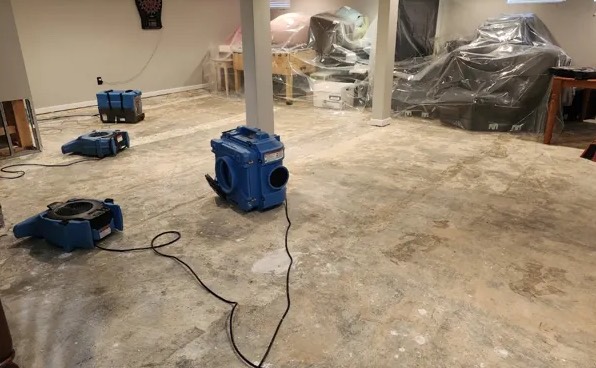
Professional Smoke Damage Restoration in Staten Island, NY
For homes in Staten Island, smoke odors reach insulation and hidden cavities, so surface cleaning alone will not remove them. Pros clean soot first, then apply sealing or oxidizing agents to deodorize the structure.
Smoke in Staten Island homes can spread through ductwork and porous materials. Local smoke damage pros deep clean and clean walls and ceilings to remove both visible and hidden residue, serving Staten Island and nearby Carteret, Linden and Bayonne around the clock.
Detailed Smoke Damage Restoration Process in Staten Island, NY
Smoke Odor Remediation
The smoke damage pros check how deep odor went into building materials and contents, then apply deodorizing agents suited to each.
HVAC Duct Smoke Cleaning
Duct cleaning removes settled soot and deodorizes air passages, and an antimicrobial agent may be applied afterward.
Post-Fire Deep Cleaning
Pros wet-wipe all hard surfaces and HEPA vacuum upholstery in a set order so cleaned areas are not soiled again.
Wall Ceiling Smoke Cleaning
Acidic residue on walls can cause yellowing, so pros neutralize it with specialized cleaners before it sets permanently.
Emergency Board-Up
The pros check every opening and install temporary covers so rain cannot get into a Staten Island home.
How to Know You Need Smoke Damage Restoration in Staten Island
Tacky or Oily Residue Feel
Sticky or tacky surfaces show oily soot that needs professional cleaning agents to remove.
Persistent Smoke Smell After Cleaning
A smoky smell that stays after your own cleaning means professional odor removal is needed.
Soot Stains Reappear on Walls
Stains that come back after wiping mean the walls and ceilings need a deeper clean.
Yellowing of Walls and Plastics
Yellowed walls and plastics show acidic residue that has not been fully removed.
How Smoke Damage Restoration Works in Staten Island
Step 1: Secure Site and Remove Debris
Pros board up or tarp openings if needed and remove burned debris before deep cleaning.
Step 2: Aggressive Soot Damage Cleanup
Every surface is cleaned with methods chosen for the type of residue on it.
Step 3: Whole-Structure Smoke Deodorization
The whole affected area is treated with fogging or gas-phase deodorizers to remove odor.
Step 4: Post-Cleaning Validation Walkthrough
You walk through the results with the pros to confirm the work is complete.
Sources of Smoke and Soot in Staten Island
Improper Use of a Fire Extinguisher
Fire extinguisher chemicals mix with soot and make the cleanup more complicated.
Furniture and Synthetic Material Fires
Burning plastics and foam create oily residue that needs advanced soot removal.
Smoke Damage After Fire Is Put Out
Smoke keeps settling into walls and materials even after the flames are out.
Candle or Incense Soot Buildup
Years of candle or incense use leave fine carbon deposits on walls and ceilings.
Smoke Damage Restoration for Staten Island Houses and Offices
Residential Smoke Damage Restoration
At home, pros remove odor from fabrics and porous materials and clean residue from wood and drywall so the air is clear for children and pets.
Commercial Smoke Damage Restoration
For offices and clinics, pros clean air handlers and electronics to prevent corrosion and restore a clean, working space.
Professional Smoke Damage Restoration vs. DIY in Staten Island
Once the structure is safe, move unburned items out of the affected area and throw out burned materials. Do not clean walls and ceilings yourself, since the wrong method spreads soot.
Factors in Smoke Damage Restoration Pricing for Staten Island
In Staten Island, toxic residue, duct cleaning and the amount of contents cleaning all affect the overall cost of the project.
Extent of Smoke Penetration
Smoke deep in drywall or insulation needs more cleaning and deodorizing, which raises the cost.
Content Cleaning Needs
The number and type of belongings to clean, from furniture to electronics, affects the price.
Type of Soot Residue
Sticky soot from smoldering fires takes stronger products and more time than dry soot.
Does Insurance Cover Smoke Damage Restoration?
Odor removal is often part of fire damage coverage. Pros provide detailed records for your claim, and your agent can explain the specifics.
The Value of Local Pros for Smoke Damage Restoration in Staten Island
Structural Deodorization Techniques
Sealing or oxidizing treatments keep odor from returning long after the cleanup ends.
Post-Cleaning Air Quality Focus
The goal is healthy indoor air, with airborne particles and residue removed.
Content Cleaning Expertise
Belongings are cleaned with methods suited to fabrics, electronics and other sensitive items.
24/7 Smoke Damage Restoration Help for Staten Island
Fast smoke cleanup limits further loss. If you are dealing with a fire's aftermath in Staten Island, contact local pros at (347) 983-9353 for board-up and assessment.
Call Now (347) 983-9353Local Smoke Damage Restoration Areas Including Staten Island
Local smoke odor pros handle duct cleaning and contents work in Staten Island and areas like Carteret, Linden and Bayonne.
Common Smoke Damage Restoration Questions Answered
Does smoke damage sanitation include wall and ceiling cleaning?
Yes. Walls and ceilings are cleaned to remove soot stains and deodorize porous drywall and plaster.
How long does smoke damage cleanup typically take?
A small room may take days, while whole-house smoke cleanup can take several weeks.
What is structural smoke deodorization?
Treating framing and subfloors with sealers or deodorizers to lock in or neutralize odor that soaked in deeply.
How does thermal fogging work for odor removal?
A deodorizing fog travels into materials the way smoke did and neutralizes odor particles inside them.
What are the health risks of untreated smoke damage?
Smoke residue can irritate lungs and eyes and expose people to harmful compounds until it is removed.