Red Bank, NJ · Monmouth County
Office Building Water Extraction in Red Bank, NJOffice Records Water Protection & Wet Drywall Removal
Office Building Water Extraction in Red Bank handles office building flood cleanup, commercial carpet water extraction and wet drywall removal.
Answered 24/7
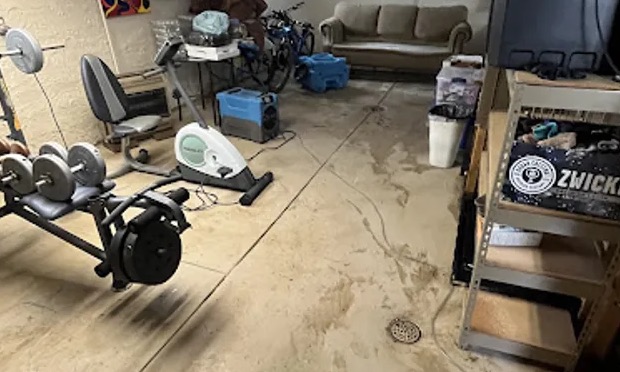
Help With Office Water Damage in Red Bank
In Red Bank, office water damage often comes from rooftop HVAC units, failed water heaters in restrooms and break-room appliances.
Office building water extraction is available in Red Bank and nearby Little Silver, Shrewsbury and Fair Haven. The pros handle glue-down carpet, drop ceilings and metal-stud walls common in offices.
Office Building Water Extraction Work in Red Bank
Office Records Water Protection
Electronics are unplugged and moved out of the water first. The pros list and photograph wet equipment so IT and the insurer can review it.
Wet Drywall Removal
Office partition walls often have metal studs and insulation that holds water. Removing the bottom strip of drywall lets air reach the cavity.
Ceiling Leak Water Removal
Stained tiles are replaced, but the drywall, insulation and ductwork above the grid are checked and dried first.
Office Building Drying Services
The building's own HVAC is used with portable dehumidifiers to pull moisture out of large open floors and conference rooms.
Commercial Carpet Water Extraction
Carpet tiles that stayed wet too long or came up from the adhesive are removed and stacked for replacement. The slab under them is dried before new tiles go down.
Office Water Damage Warning Signs in Red Bank
Loose or Lifting Carpet Tiles
Carpet tiles that shift or curl at the edges usually mean water has softened the adhesive underneath them.
Warped Cabinet Bases
Break-room or reception cabinets with swollen particleboard bases often hide a slow leak from a sink, ice maker or coffee line.
Wet or Squishy Carpet
Carpet that feels damp or makes a squishing sound underfoot means water is in the backing or sitting on the slab beneath it.
Water Near Floor Boxes
Water around floor outlets, cable trays or raised floors is a safety risk. Keep people away and turn off power to that area.
How Office Building Water Extraction Works in Red Bank
Step 1: Walkthrough With Management
The pros walk the affected floors with the property manager to agree on what to dry first and what can stay open.
Step 2: Extraction
Water is removed from carpet, tile and cabinet bases, and wet debris is cleared from the floor.
Step 3: Controlled Drying
Dehumidifiers and air movers are adjusted daily as readings change, and wet furniture is dried or set aside.
Step 4: Closeout Records
A record of readings, photos and removed materials is prepared for the owner, tenants and their insurers.
Where Office Building Leaks Start in Red Bank
Burst Supply Lines
Restroom and break-room supply hoses can split without warning and run for hours, especially overnight or on weekends.
Restroom Overflows
Clogged toilets and sinks in shared restrooms can overflow, and the water often reaches the floor or suite below.
HVAC Condensate Overflow
Clogged condensate drains on air handlers and rooftop units overflow into ceilings and walls during cooling season.
Roof and Roof Drain Leaks
Flat commercial roofs with clogged drains or worn membranes let water into the plenum and through ceiling tiles.
Water Extraction for Offices, Home Workspaces and Mixed-Use Buildings in Red Bank
Residential Water Extraction
For a home office, wet carpet and drywall are handled like any room. Electronics are unplugged and moved, then the floor and walls are dried.
Office Building Water Extraction
Property managers get a moisture map of the affected area and daily readings, so they can plan repairs and tell tenants which suites will reopen first.
When an Office Leak Needs Water Damage Pros
Mopping and fans can handle a small spill on hard floors. Water that has soaked carpet tiles, walls or ceilings needs extraction and drying equipment.
Factors in Office Water Extraction Pricing in Red Bank
Leaks found early cost less to clean up. Water that sat over a weekend often means more carpet, drywall and ceiling tiles to replace.
Number of Floors
Water that travels to lower floors means more spaces to extract, dry and document.
Work Hours
Night and weekend extraction to keep the office open can carry a higher rate than work done during business hours.
Ceilings and Walls
Wet ceiling tiles, plenum insulation and the lower strip of drywall add removal and drying time to the job.
Does Insurance Cover Office Building Water Extraction?
Some policies exclude slow leaks or flood water from outside. Confirm with your agent what applies to your office before work begins.
Why Professional Office Water Extraction Pays Off in Red Bank
Hidden Water Found
Thermal cameras and meters find water under carpet tiles, above ceiling grids and inside partition walls.
Fewer Closed Rooms
Drying is planned in zones and around work hours, so staff can keep using dry parts of the office while the rest is worked on.
Records for Every Suite
Readings and photos are kept for each affected space, which helps owners, tenants and insurers sort out the claim.
Around-the-Clock Office Building Water Extraction in Red Bank
For office building water extraction in Red Bank, call (347) 983-9353 to reach local water damage pros any hour of the day or night.
Call Now (347) 983-9353Office Building Water Extraction Available Throughout Monmouth County
Businesses in Red Bank and nearby places such as Little Silver, Shrewsbury and Fair Haven can get extraction and drying for offices, at night and on weekends too.
- Office Building Water Extraction in Little Silver
- Office Building Water Extraction in Shrewsbury
- Office Building Water Extraction in Fair Haven
- Office Building Water Extraction in Eatontown
- Office Building Water Extraction in Rumson
- Office Building Water Extraction in Middletown
- Office Building Water Extraction in Tinton Falls
- Office Building Water Extraction in Long Branch
- Emergency Damage Restoration in 07701
- Storm Damage Restoration in 07701
- Water Damage Restoration in 07701
- Water Extraction Service in 07701
- Water Leak Detection in 07701
- Water Removal Service in 07701
Questions About Office Building Water Extraction
Does water extraction stop mold in an office?
Fast extraction and drying are the main way to keep mold from starting. Materials that stay wet for more than a day or two are at higher risk.
Can extraction happen at night or on weekends?
Yes. Help is available 24/7, and many offices prefer extraction to start after hours so fewer people are disturbed.
What safety steps are taken during office water extraction?
Power to wet areas is shut off, sagging ceiling tiles are removed and walkways are kept clear of hoses and cords.
How long does it take to dry an office after a leak?
Most offices dry in three to five days, depending on how much water there was and the type of flooring and walls. Readings decide when it is done.
What records will the property manager receive?
Photos, daily moisture readings and a list of removed materials for each affected area, which can be shared with insurers.