Staten Island, NY · Richmond County
Mold Remediation in Staten Island, NYAttic Mold Removal & Air Duct Mold Cleaning
After a leak or flood, mold remediation in Staten Island cover post-flood mold remediation, black mold remediation and mold odor elimination.
Answered 24/7
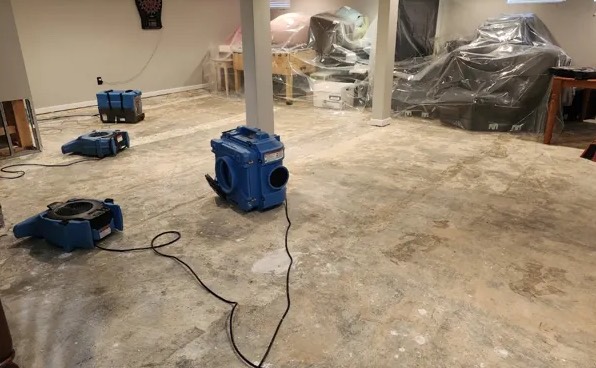
Mold Cleanup After Water Damage in Staten Island
Mold remediation is different from wiping mold off a surface. Porous materials with mold, such as drywall and carpet pad, usually have to be removed in Staten Island homes.
Mold problems in Staten Island homes range from a moldy bathroom ceiling to mold behind walls after a flood. Local mold remediation specialists handle both, along with properties in Carteret, Linden and Bayonne.
Mold Remediation Offered in Staten Island
Attic Mold Removal
Attic mold often shows as dark staining on the underside of the roof deck. Affected wood is cleaned, wet insulation is removed and airflow problems are noted for repair.
Air Duct Mold Cleaning
A musty smell when the air turns on can point to mold in ducts or the air handler. The pros inspect, clean the affected sections and check the drain pan and coil area.
Mold Odor Elimination
If a musty smell lingers after cleanup, the pros look for remaining moisture or mold in walls, carpet or ducts rather than masking it.
Mold Inspection Services
If you smell mold but cannot see it, an inspection checks common hiding spots such as under sinks, behind toilets, in attics and around windows.
Bathroom Mold Cleanup
Mold that keeps returning on a bathroom ceiling often means poor ventilation. The pros clean the area and check whether moisture is getting into the drywall.
How to Spot a Mold Problem in Staten Island
Past Water Damage That Was Not Dried
A leak or flood that was mopped up but not dried with equipment can leave moisture in walls and floors, where mold grows later.
Damp Basement or Crawl Space
A lower level that always feels damp or smells musty is a common place for mold on walls, joists and stored items.
Warped Floors or Swollen Trim
Wood floors that cup and trim that swells have absorbed moisture. Mold can grow underneath before anything is visible.
Stains or Discoloration
Yellow or brown stains on ceilings and walls show where water has been. Mold often grows in the same spot or just behind it.
How Mold Remediation Works in Staten Island
Step 1: Assessment After Water Damage
After a leak or flood, the pros check how long materials stayed wet and where mold has started.
Step 2: Post-Flood Mold Containment
The affected rooms are contained to keep spores away from areas that stayed dry.
Step 3: Removing Flood-Damaged Materials
Wet and moldy drywall, carpet pad and insulation are removed and the framing is cleaned.
Step 4: Structural Drying
Air movers and dehumidifiers dry framing and subfloors until readings match dry reference areas.
Step 5: Clearance Before Rebuilding
A final inspection confirms the mold is gone and the area is dry before new materials go in.
Sources of Moisture Behind Mold
Appliance Leaks
Leaking dishwashers, washing machines and refrigerator water lines soak floors and cabinets, often out of sight.
Floods Not Fully Dried
Flooding that is mopped up without dehumidifiers and air movers leaves moisture in walls and subfloors where mold grows within days.
High Indoor Humidity
When indoor humidity stays high, moisture collects on cool surfaces like windows, closet walls and corners, and mold follows.
Basement Seepage
Water seeping through foundation cracks keeps basement walls and floors damp, which leads to mold on drywall, framing and stored boxes.
Residential and Commercial Mold Remediation in Staten Island
Residential Mold Remediation
In older homes, mold is often found in crawl spaces, attics and behind bathroom tile. The pros remove it and point out the moisture problem.
Commercial Mold Remediation
Warehouses and retail spaces with roof leaks often have mold on ceiling tiles and drywall. Affected materials are removed and replaced after drying.
DIY Mold Removal Risks in Staten Island
Running a dehumidifier in a damp basement and keeping gutters clear are good DIY steps. Mold already on basement walls or framing should be removed by local mold remediation specialists.
Mold Removal Cost Factors
Pricing reflects labor, containment setup, air filtration, disposal of moldy materials and the days of drying needed after removal.
HVAC Involvement
Mold in ducts or the air handler adds cleaning or replacement of duct sections on top of the room work.
Containment Needed
Larger jobs need plastic sheeting, negative air machines and air scrubbers, which add setup time and equipment cost.
Hidden Moisture
If the leak is still active or materials are still wet, drying adds days of equipment time before the job is finished.
Does Insurance Cover Mold Remediation?
Coverage depends on your policy and the cause of the moisture. The pros can provide records of the work, but only your insurer can confirm what is covered.
Reasons to Hire Pros for Mold Cleanup
Honest Advice on Small Jobs
If the mold is small and on a hard surface, the pros can tell you when it is safe to clean it yourself.
Clear Scope Before Work Starts
An inspection sets out what will be removed, cleaned and dried before any work begins, so there are no surprises.
Drying After Removal
Mold returns if the area stays damp. The pros dry the structure and check readings before rebuilding.
Round-the-Clock Mold Remediation for Staten Island
For mold cleanup after a leak in Staten Island, call (347) 983-9353 any time. The specialists start with an inspection and moisture readings.
Call Now (347) 983-9353Mold Remediation Near Staten Island: Areas Served
Besides Staten Island, the specialists handle mold inspection and removal in nearby Carteret, Linden and Bayonne.
Frequently Asked Questions About Mold Remediation
Do I need mold testing?
Not always. If mold is visible, testing often adds little. It can help when mold is suspected but cannot be seen.
Why does bathroom mold keep coming back?
Usually because of poor ventilation or a hidden leak behind tile. Cleaning the surface does not fix either problem.
Does bleach kill mold on drywall?
Bleach can lighten surface mold but does not fix mold in drywall or wood. The moisture remains, and porous materials with mold usually need removal.
Is black mold more dangerous than other mold?
Any mold can cause allergy and breathing symptoms. The removal method is the same regardless of color: contain, remove, clean and dry.
How do I know if I have mold?
Visible spots, a musty smell, past water damage and stains on walls or ceilings are the most common signs. An inspection can confirm it.