Staten Island, NY · Richmond County
Floor Mold Removal in Staten Island, NYBlack Mold Remediation & Mold Inspection Services
Floor Mold Removal in Staten Island start with mold inspection services, then black mold remediation and post-flood mold remediation.
Answered 24/7
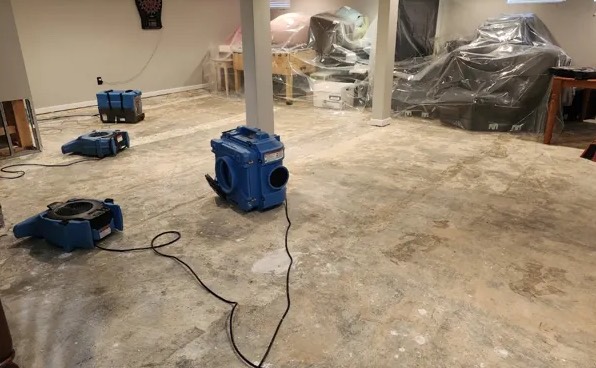
Floor Mold Removal and Mold Inspection in Staten Island
A musty smell, dark spots on drywall or stains around a window are the usual first signs of mold in Staten Island homes. What you see is often only part of it.
In Staten Island, mold often shows up after a leak under a sink, a roof leak or a flood that was not fully dried. Local mold remediation specialists also handle mold in Carteret, Linden and Bayonne.
Mold Cleanup Options in Staten Island
Black Mold Remediation
The color of mold does not change the method. The pros contain the area with plastic sheeting, remove what cannot be cleaned and fix the moisture that let it grow.
Mold Inspection Services
Inspection comes before removal. The pros look for mold, measure moisture in walls and floors and explain what needs to be removed and what can be cleaned.
Attic Mold Removal
Attic mold often shows as dark staining on the underside of the roof deck. Affected wood is cleaned, wet insulation is removed and airflow problems are noted for repair.
Crawl Space Mold Abatement
Crawl space mold grows on floor joists and subfloor when the space stays damp. The pros clean or treat the wood and point out the moisture source, such as vents or plumbing leaks.
Post-Flood Mold Remediation
Fast drying helps prevent mold after a flood. Where mold has already started, the pros remove it before the walls are closed up again.
How to Spot a Mold Problem in Staten Island
Damp Basement or Crawl Space
A lower level that always feels damp or smells musty is a common place for mold on walls, joists and stored items.
Musty Smell That Will Not Go Away
A damp, earthy smell often means mold is growing somewhere out of sight, such as inside a wall, under flooring or in ductwork.
Mold Around Air Vents
Dark spots around supply vents or a musty smell when the air turns on can point to mold in ducts or the air handler.
Past Water Damage That Was Not Dried
A leak or flood that was mopped up but not dried with equipment can leave moisture in walls and floors, where mold grows later.
How Floor Mold Removal Works in Staten Island
Step 1: Assessment After Water Damage
After a leak or flood, the pros check how long materials stayed wet and where mold has started.
Step 2: Post-Flood Mold Containment
The affected rooms are contained to keep spores away from areas that stayed dry.
Step 3: Removing Flood-Damaged Materials
Wet and moldy drywall, carpet pad and insulation are removed and the framing is cleaned.
Step 4: Structural Drying
Air movers and dehumidifiers dry framing and subfloors until readings match dry reference areas.
Step 5: Clearance Before Rebuilding
A final inspection confirms the mold is gone and the area is dry before new materials go in.
What Leads to Mold Damage in Staten Island
Basement Seepage
Water seeping through foundation cracks keeps basement walls and floors damp, which leads to mold on drywall, framing and stored boxes.
Overflowing Gutters
Gutters that overflow dump water next to the foundation, where it can seep into crawl spaces and lower walls.
High Indoor Humidity
When indoor humidity stays high, moisture collects on cool surfaces like windows, closet walls and corners, and mold follows.
Floods Not Fully Dried
Flooding that is mopped up without dehumidifiers and air movers leaves moisture in walls and subfloors where mold grows within days.
Floor Mold Removal for Every Property Type
Residential Floor Mold Removal
In older homes, mold is often found in crawl spaces, attics and behind bathroom tile. The pros remove it and point out the moisture problem.
Commercial Floor Mold Removal
Warehouses and retail spaces with roof leaks often have mold on ceiling tiles and drywall. Affected materials are removed and replaced after drying.
Floor Mold Removal vs. DIY: When to Call Mold Remediation Specialists
Wear gloves and a mask for any small cleanup, and keep the area ventilated. If anyone in the home has asthma or allergies, leave mold removal to the specialists.
Floor Mold Removal Cost in Staten Island, NY
Most of the cost comes from containment, removal of moldy drywall or insulation, cleaning and drying. Rebuilding is usually priced separately.
Testing and Inspection
Mold testing is optional in many cases, but when it is needed it adds lab fees to the total.
Rebuilding After Removal
Replacing drywall, insulation and flooring after mold removal is often priced separately from the remediation itself.
Containment Needed
Larger jobs need plastic sheeting, negative air machines and air scrubbers, which add setup time and equipment cost.
Does Insurance Cover Floor Mold Removal?
Many policies cover mold only when it comes from a sudden, covered water event such as a burst pipe. Mold from long-term leaks or humidity is usually excluded. Check your policy.
Why Call Local Specialists in Staten Island
Drying After Removal
Mold returns if the area stays damp. The pros dry the structure and check readings before rebuilding.
Industry Remediation Standards
Removal follows industry standards for mold remediation: contain, remove damaged materials, clean, dry and check.
Containment That Protects Clean Rooms
Plastic sheeting and negative air keep spores in the work area so mold is not spread through the house during removal.
24/7 Mold Cleanup After Water Damage in Staten Island
For mold cleanup after a leak in Staten Island, call (347) 983-9353 any time. The specialists start with an inspection and moisture readings.
Call Now (347) 983-9353Floor Mold Removal Near Staten Island: Areas Served
The specialists serve Staten Island and nearby Carteret, Linden and Bayonne for mold in bathrooms, attics, crawl spaces and walls.
Your Mold Cleanup Questions Answered
What do mold remediation services include?
An inspection, containment of the affected area, removal of moldy materials, cleaning and HEPA vacuuming, and drying until moisture readings are normal.
Will mold come back after remediation?
It can if the moisture source is not fixed. Finding and stopping the leak or humidity problem is part of the job.
Does bleach kill mold on drywall?
Bleach can lighten surface mold but does not fix mold in drywall or wood. The moisture remains, and porous materials with mold usually need removal.
Can mold grow in air ducts?
Yes, especially near the air handler where condensation collects. A musty smell when the air turns on is a common sign.
What should I do while I wait for an inspection?
Avoid disturbing the mold, keep the area closed off, stop any active leak if you can and take photos for your records.