Toms River, NJ · Ocean County
Floodwater Removal in Toms River, NJEmergency Flood Damage Mitigation & Flood Damaged Drywall Removal
Professional Floodwater Removal in Toms River covers flooded room drying services, storm flood water pumping, and sewage flood cleanup.
Answered 24/7
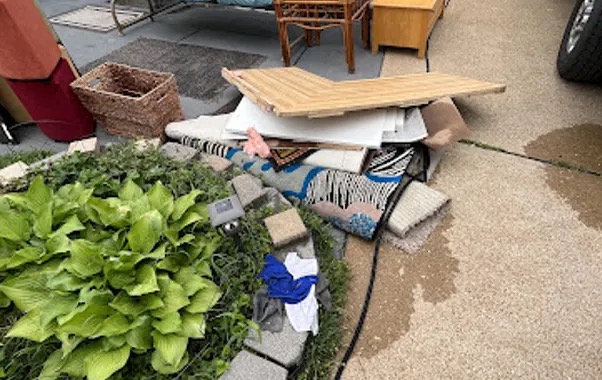
Floodwater Removal for Toms River Homes and Businesses
In Toms River, removing floodwater is the first step before any repair work, from new drywall to new flooring.
Flooding in Toms River can come from storms, sewer backups or broken pipes, and each needs fast floodwater removal. Local water extraction experts pump out the water and clean up the flooded house. They are a resource for the entire area, including Beachwood, Brick and Lakewood, providing around-the-clock help to water emergencies.
Detailed Floodwater Removal Offerings in Toms River
Emergency Flood Damage Mitigation
The first hours after a flood are critical. Emergency mitigation involves water extraction, content removal, and installation of drying equipment to stabilize the property.
Flood Damaged Drywall Removal
Flood-soaked drywall acts as a reservoir for moisture and microbes. The standard procedure involves removing the compromised panels to access the framing and insulation behind them.
Flooded Carpet Water Removal
Floodwater removal involves thorough extraction using weighted wands and specialized tools to pull water from deep within the pad and fibers, a key step before professional drying and potential salvage.
Contaminated Floodwater Removal
Contaminated floodwater leaves behind pollutants on surfaces. The cleanup service includes agitating and removing silt, mud, and other debris from floors and walls.
Storm Flood Water Pumping
When stormwater inundates a property, pumping is the first line of defense. This service focuses on removing bulk water using heavy-duty pumps capable of handling debris-laden water.
Warning Signs You Need Floodwater Removal in Toms River
Mold or Mildew
Mold or mildew after a flood means materials stayed wet too long and need cleanup and drying.
Bowed or Buckling Flooring
Sagging or soft walls and floors after a flood mean the structure is soaked and needs drying soon.
Visible Water Lines on Walls
Visible water lines on drywall indicate significant water intrusion. The wet section of drywall usually has to be cut out.
Sewage Backflow or Contaminated Water
Sewage or contaminated floodwater is a health risk and needs protective gear and disinfection to clean up.
How Floodwater Removal Works in Toms River
Step 1: Standing Water Removal
The first response focuses on removing all visible flood water from the property. Getting the bulk water out first makes every later step faster.
Step 2: Flooded Basement Water Extraction
Submersible pumps and extractors clear flooded basements. Lower levels often require the most intensive floodwater removal effort.
Step 3: Moisture Elimination & Drying
Drying equipment removes moisture from materials and air, and drywall that cannot be saved is removed.
Step 4: Claim-Ready Damage Reporting
You get a damage log for your insurer, which decides what is covered.
Typical Sources of Floodwater Damage in Toms River
Landscaping and Grading Issues
Yard grading that slopes toward the building sends storm water at the walls instead of away.
Clogged or Faulty Gutters
Clogged gutters let water pool next to the foundation, where it seeps into basements.
Severe Weather and Storms
Heavy rain can overwhelm drains and cause flash flooding that leaves standing water in homes and businesses.
Sewer System Backup
Municipal sewer backups or overwhelmed septic systems can push contaminated water into a home through floor drains and toilets.
Floodwater Removal for All Property Types in Toms River
Residential Floodwater Removal
Thorough flooded room drying services are essential to prevent concealed dampness. Local water extraction experts pair floodwater removal with focused drying methods for walls, floors, and belongings.
Commercial Floodwater Removal
Sewage and contaminated water are removed first, followed by commercial dehumidification. Quick action and proper documentation are key components of the service.
Floodwater Removal vs. DIY Cleanup in Toms River
If safe to do so and the water is clean, you can use a wet-dry vacuum or mops to remove small amounts of standing water. Always wear protective gear like gloves and boots.
Factors Influencing Floodwater Removal Cost in Toms River
In Toms River, the price goes up if soaked drywall has to be removed or contaminated water needs special cleaning.
Extent of Standing Water
How much water there is and how many areas are wet decide how long pumping and extraction take.
Required Drying Equipment
The number of air movers, dehumidifiers and air scrubbers needed affects the cost.
Emergency Service Timing
A night or weekend call may carry after-hours labor rates for the first extraction.
Does Insurance Cover Floodwater Removal?
Flooded house cleanup from a sudden internal leak is commonly covered. Natural disaster flooding from outside usually requires specific flood insurance. Your insurer makes the final determination on reimbursement, so maintain open communication with them.
Why Choose Local Pros in Toms River for Floodwater Removal
Advanced Moisture Detection
Moisture meters and thermal cameras find hidden dampness in walls and subfloors.
Structural Drying Expertise
Knowing how framing and subfloor dry helps save them instead of tearing them out.
Industrial-Grade Drying Equipment
Air movers and dehumidifiers are set up to dry the home steadily after the flood.
24/7 Emergency Floodwater Removal in Toms River
A flooded basement or room needs prompt action. For 24/7 floodwater removal and post flood drying services in Toms River, a census-designated place in Ocean County, call the pros at (347) 983-9353.
Call Now (347) 983-9353Floodwater Removal Service Area Near Toms River
In Ocean County, homes in Toms River and nearby Beachwood, Brick and Lakewood can get help with floodwater extraction and emergency flood cleanup.
- Floodwater Removal in Beachwood
- Floodwater Removal in Brick
- Floodwater Removal in Lakewood
- Floodwater Removal in Point Pleasant
- Floodwater Removal in Howell
- Floodwater Removal in Jackson
- Floodwater Removal in Brielle
- Floodwater Removal in Manasquan
- Emergency Damage Restoration in 08753
- Storm Damage Restoration in 08753
- Water Damage Restoration in 08753
- Water Extraction Service in 08753
- Water Leak Detection in 08753
- Water Removal Service in 08753
- Emergency Damage Restoration in 08754
- Storm Damage Restoration in 08754
Floodwater Removal Information and FAQs
What is contaminated floodwater removal?
It is removing water that carries sewage, chemicals or bacteria. It needs protective gear, disinfection and often removal of porous materials.
What is included in flood damage restoration?
Besides water removal, it covers drying, cleaning and disinfecting, and often repairs to drywall and flooring.
What happens after the floodwater is pumped out?
Drying takes over: equipment is set up, readings are taken each day and any repairs are planned for after the property is dry.
What steps are taken for water trapped beneath flooring?
Extraction tools draw water from subfloors, though sometimes the flooring has to come up so the subfloor can dry.
Is storm flood water pumping a typical part of floodwater removal?
Yes. Submersible pumps remove large amounts of standing water after storms, which is the first step in cleanup.