Red Bank, NJ · Monmouth County
Emergency Water Extraction in Red Bank, NJStanding Water Removal & Emergency Flood Water Extraction
Emergency Water Extraction in Red Bank includes burst pipe water extraction, wet drywall water removal and emergency water damage cleanup.
Answered 24/7
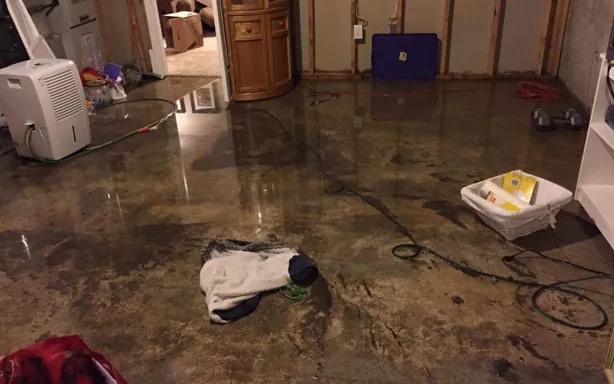
Emergency Water Extraction Services Available in Red Bank Today
Emergency Water Extraction in Red Bank comes with a record. Photos of the water, the source and the damage are taken from the start, along with moisture readings and daily drying logs.
In Red Bank, emergency extraction calls come at all hours. Local emergency water extraction pros serve Red Bank, Little Silver, Shrewsbury and Fair Haven, pumping standing water and extracting carpet and floors as soon as the source is off.
Key Emergency Water Extraction Procedures in Red Bank
Standing Water Removal
Removing standing water quickly is what keeps a single wet room from turning into several.
Emergency Flood Water Extraction
When floodwater gets inside, submersible pumps remove the deep water first, then extractors clear floors and carpet room by room.
Carpet Water Extraction Services
After extraction, the carpet is lifted so air can reach the pad and subfloor. Soaked pad is often replaced.
Flooded Basement Water Removal
Lower levels dry slowly, so drying continues until the slab and walls read normal before any repairs begin.
Sewage Backup Cleanup
Sewage cleanup is never just drying. Contaminated materials must come out first so the area is safe again.
Warning Signs You Need Emergency Water Extraction
Bubbling Paint or Wallpaper
Paint or wallpaper that bubbles has water behind it, often from a leak inside the wall.
Musty or Damp Odors
A damp or musty smell after a leak means water is still trapped in carpet, walls or subfloor.
Wet Insulation in Attics
Insulation in the attic that is wet or matted points to a roof leak or attic plumbing failure.
High Indoor Humidity Levels
A room that feels humid and clammy after a leak still has wet materials releasing moisture.
How Emergency Water Extraction Works in Red Bank
Step 1: Initial Water Damage Evaluation
Meters and thermal cameras show how far the water spread beyond what is visible.
Step 2: Standing Water Removal
Standing water is pumped out, and wet debris and soaked materials are cleared away.
Step 3: Structural Drying and Air Scrubbing
Drying equipment runs continuously, and air scrubbers filter dust from any removal work.
Step 4: Claim-Ready Damage Reporting
Photos, readings, removal lists and drying logs are organized into a report for the adjuster.
Frequent Sources of Water Damage in Red Bank
Severe Weather and Flooding
Heavy storms and flooding push water into homes and businesses through doors, walls and roofs.
Fire Suppression System Activation
Damaged or triggered fire sprinkler heads can soak a room or a whole floor quickly.
HVAC System Condensation Issues
Clogged AC condensate lines overflow into closets, attics and the ceilings of rooms below.
Sewage System Backup
A blocked sewer line pushes wastewater up through floor drains, tubs and toilets.
Both Residential & Commercial Emergency Water Extraction in Red Bank
Residential Emergency Water Extraction
In two-story homes, water from an upstairs leak can reach the ceiling and rooms below. Both levels are extracted and dried.
Commercial Emergency Water Extraction
Commercial buildings with sprinkler discharges may have water on several floors. Each floor is extracted in order, starting with the wettest.
Emergency Water Extraction vs. DIY: When to Call the Pros
Do not walk into standing water if outlets, cords or appliances are submerged. Shut off power at the panel only if you can reach it from a dry spot, then call (347) 983-9353.
Estimating Emergency Water Extraction Expenses in Red Bank
Plumbing and roof repairs are separate from extraction and drying. In Red Bank, they follow once the water is out and the structure is dry.
Location and Accessibility
Lower levels, crawl spaces and tight areas take more effort to reach and drain.
Necessary Demolition Work
Carpet pad, drywall and flooring that must be removed add labor and disposal costs.
Contents and Materials
Furniture, belongings and stock that must be moved or protected add labor to the job.
Does Insurance Cover Emergency Water Extraction?
Photograph the water, the source and damaged belongings before cleanup starts, and keep receipts for emergency extraction, drying equipment and any hotel stay.
Advantages of Hiring Local Pros for Emergency Water Extraction in Red Bank
Moisture Mapping
Meters and thermal cameras show where water spread under floors and inside walls.
Industry Drying Standards
Extraction and drying follow industry water damage standards, with readings at every visit.
Contained Removal
Wet drywall and flooring are removed inside plastic containment to keep dust out of clean rooms.
Round-the-Clock Emergency Water Extraction in Red Bank, NJ
The faster water is extracted, the more of your property can be dried instead of replaced. Call (347) 983-9353 for emergency water extraction in Red Bank.
Call Now (347) 983-9353Local Emergency Water Extraction Coverage for Red Bank, Little Silver, Shrewsbury and Fair Haven
Nearby areas served for emergency water extraction include Little Silver, Shrewsbury and Fair Haven, with the same pumps, extractors and drying steps used in Red Bank.
- Emergency Water Extraction in Little Silver
- Emergency Water Extraction in Shrewsbury
- Emergency Water Extraction in Fair Haven
- Emergency Water Extraction in Eatontown
- Emergency Water Extraction in Rumson
- Emergency Water Extraction in Middletown
- Emergency Water Extraction in Tinton Falls
- Emergency Water Extraction in Long Branch
- Emergency Damage Restoration in 07701
- Storm Damage Restoration in 07701
- Water Damage Restoration in 07701
- Water Extraction Service in 07701
- Water Leak Detection in 07701
- Water Removal Service in 07701
Your Emergency Water Extraction Questions for Red Bank, NJ
Can wet carpet be saved after water damage?
Often yes, if the water was clean and extracted quickly. The pad is usually replaced, while the carpet is dried.
What happens after the water is extracted?
Moisture readings show what is still wet, materials that cannot be saved are removed and drying equipment runs for several days.
What follows the initial emergency water extraction?
Structural drying with air movers and dehumidifiers, daily readings and repairs once the building is dry.
Can water extraction prevent mold after a flood?
Fast extraction and drying are the main ways to keep mold from starting after a flood.
What is involved in flooded basement cleanup?
Pumping out water, removing wet carpet and drywall where needed, cleaning if the water was dirty and drying the space.