Tenafly, NJ · Bergen County
Desiccant Dehumidification in Tenafly, NJFirefighting Water Drying & Basement Dehumidification
Property owners in Tenafly get Desiccant Dehumidification for water damage dehumidification, crawl space drying and flood drying services.
Answered 24/7
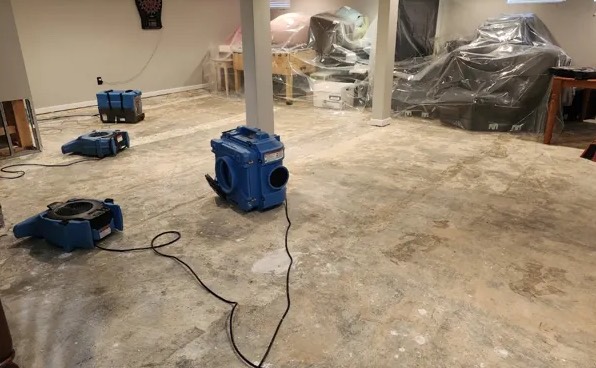
Local Desiccant Dehumidification Services for Tenafly
Crawl spaces in Tenafly are cool, damp and tight, which slows drying with standard equipment. Desiccant units push dry air in to pull moisture from the joists and subfloor.
In Tenafly, Dumont, Englewood and Fort Lee, builders sometimes need slabs and drywall dried before flooring goes in. The pros lower humidity on the job site to speed that up.
Desiccant Dehumidification Options Available in Tenafly
Firefighting Water Drying
Drying after a fire is done once wet debris is removed, so the structure dries cleanly before rebuilding.
Basement Dehumidification
Cool basements are where desiccant units often help most, since they keep removing moisture when the air temperature is low.
Mold Prevention Drying
Drying continues until readings on the remaining framing are normal, before walls are closed up again.
Crawl Space Drying
Crawl spaces are cool and damp, which suits desiccant units. Dry air is pushed in to pull moisture from the joists and subfloor.
Water Damage Dehumidification
Dehumidification runs alongside air movers, and readings are taken daily until every wet material is back to normal.
Symptoms Requiring Desiccant Dehumidification in Tenafly
Wet Insulation in Attics or Walls
Insulation that is wet in attics or walls holds water against framing and slows drying.
Strong Damp Odor in Rooms
A damp smell that stays in a room after cleanup means materials there are still holding moisture.
High Humidity Readings on Meter
A hygrometer that keeps reading high humidity days after a leak shows the space is not drying.
Cold, Damp Feeling in Air
Air that feels cold and damp, especially in lower levels, can be too cool for standard dehumidifiers to work well.
How Desiccant Dehumidification Works in Tenafly
Step 1: Emergency Moisture Evaluation
The wet area is mapped and the right size and type of dehumidifier is chosen.
Step 2: High-Capacity Setup
Large desiccant units are placed for big spaces or cool areas where standard units struggle.
Step 3: Active Drying Cycle
Dry air is moved across wet materials, with daily readings to track progress.
Step 4: Completion and Insurance Records
Final readings and daily drying logs are compiled into a record for your insurer.
Typical Moisture Intrusions and Desiccant Dehumidification in Tenafly
Poor Ventilation in Enclosed Areas
Closed, poorly ventilated spaces trap moisture and dry very slowly after water damage.
Groundwater Rise After Heavy Rains
Groundwater rising after long rains keeps crawl spaces and lower levels damp.
Severe Weather and Storm Flooding
Storms and flooding soak lower levels and leave large volumes of wet material.
HVAC System Condensation Issues
Clogged AC drain lines overflow into attics, closets and the ceilings below them.
Residential and Commercial Desiccant Dehumidification in Tenafly
Residential Desiccant Dehumidification
Families can usually stay home during drying, though equipment makes steady noise and some areas may be closed off.
Commercial Desiccant Dehumidification
Builders and contractors use desiccant drying to get slabs and drywall ready for flooring and paint on schedule.
Professional Desiccant Dehumidification or DIY in Tenafly?
Do not run drying equipment on materials soaked by sewage or floodwater before they are cleaned or removed, since that spreads contamination through the house.
What Affects Desiccant Dehumidification Cost in Tenafly
In Tenafly, starting drying right after a leak or flood usually shortens the job and lowers the total equipment cost.
Access and Complexity
Crawl spaces, tight areas and large buildings take more effort to set up and monitor.
Affected Area Size
Larger affected areas need more drying units and more air movers running at once.
Moisture Saturation Level
Materials that are fully soaked take longer to dry than lightly damp ones.
Does Insurance Cover Desiccant Dehumidification?
Photograph wet areas before drying begins and keep receipts for emergency extraction, drying equipment and any hotel stay during the work.
The Value of Local Pros for Desiccant Dehumidification in Tenafly
24/7 Emergency Response
Help is available day or night to set up drying equipment after a leak or flood.
Damage Assessment
The full affected area is checked, including rooms next to and below the source.
Large Projects
Large buildings and job sites get drying plans that keep work and business moving.
24/7 Emergency Desiccant Dehumidification in Tenafly
Wet materials keep soaking up moisture from damp air until drying starts. Call (347) 983-9353 for desiccant dehumidification in Tenafly at any hour.
Call Now (347) 983-9353Desiccant Dehumidification Service Area Including Tenafly
Help with desiccant dehumidification reaches Dumont, Englewood and Fort Lee, plus other communities around Tenafly, for houses, apartments and large buildings.
- Desiccant Dehumidification in Dumont
- Desiccant Dehumidification in Englewood
- Desiccant Dehumidification in Fort Lee
- Desiccant Dehumidification in Palisades Park
- Desiccant Dehumidification in Ridgefield
- Desiccant Dehumidification in Edgewater
- Desiccant Dehumidification in Cliffside Park
- Desiccant Dehumidification in Fairview
- Emergency Damage Restoration in 07670
- Storm Damage Restoration in 07670
- Water Damage Restoration in 07670
- Water Extraction Service in 07670
- Water Leak Detection in 07670
- Water Removal Service in 07670
Common Desiccant Dehumidification Questions Answered
What is involved in basement dehumidification after a flood?
Removing water, placing dehumidifiers and air movers and running them until concrete and framing read dry.
How long does crawl space drying typically take?
Often several days, depending on how wet the framing is and how cool and damp the space stays.
Is desiccant dehumidifier rental available for DIY projects?
Units can be rented, but they need correct setup, and readings are needed to know when materials are dry.
How is emergency dehumidification different from standard service?
It starts right after a leak or flood, any time of day, so materials do not keep soaking up moisture.
What is desiccant dehumidification used for?
Drying spaces after water damage where standard dehumidifiers struggle, such as cool crawl spaces, large buildings and dense materials.