Harrison, NJ · Hudson County
Behind Wall Water Extraction in Harrison, NJWall Leak Source Identification & Emergency Behind Wall Water Removal
Behind Wall Water Extraction in Harrison runs from wall leak source identification and wall cavity water extraction to moisture barrier installation.
Answered 24/7
Professional Behind Wall Water Extraction in Harrison, NJ
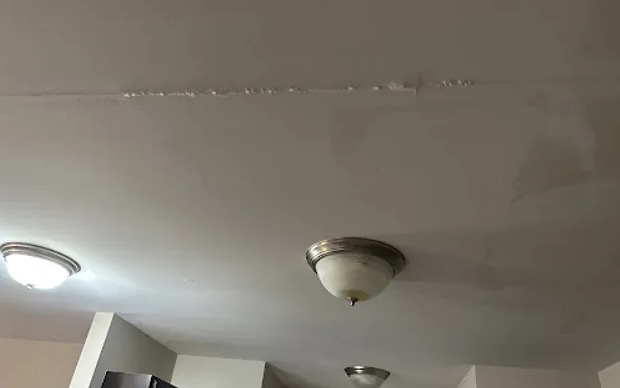
Hidden leaks in Harrison walls often come from supply lines behind sinks and toilets, shower valves, window flashing or a roof leak running down the inside of an exterior wall.
Homeowners in Harrison can call (347) 983-9353 day or night when water appears from a wall. Service also covers Kearny, Belleville and Bloomfield, with the same detection and drying process.
Specialized Behind Wall Water Extraction Methods in Harrison
Wall Leak Source Identification
Leak tracing uses readings, thermal images and the pattern of the stain to find where water enters the wall.
Emergency Behind Wall Water Removal
A burst pipe inside a wall can flood the floor and the room below quickly. Fast extraction limits how far it spreads.
Wet Drywall
Drywall that is soft, crumbling or soaked above the floor is cut out above the wet line so the cavity behind it can dry.
Wall Cavity Water Extraction
Wet insulation inside the cavity holds water against the studs. It is pulled out so the cavity can be extracted and dried.
Hidden Water Damage Detection
Moisture meters and thermal cameras show wet areas inside a wall without opening it, mapping how far water spread from the leak.
Signs of Hidden Water Damage in Harrison Homes
Sudden Spike in Water Bill
A water bill that rises with no change in use can mean a supply line leaking inside a wall.
Sagging or Drooping Drywall
Drywall that sags or droops is holding water and can fail. Keep clear and call for help.
Sounds of Dripping Inside Walls
Dripping or running water sounds inside a wall when no fixture is on usually mean a pipe leak.
Unexplained Water Stains
A stain on a wall with no obvious source usually means water is coming from inside the wall or above it.
How Behind Wall Water Extraction Works in Harrison
Step 1: Non-Invasive Moisture Detection
Readings through the drywall show the wet area before any holes are made.
Step 2: Strategic Water Extraction
Small access points let water drain and be extracted from the bottom of the cavity.
Step 3: Structural Cavity Drying
Directed airflow dries the studs and plates, with equipment adjusted each day as readings drop.
Step 4: Area Sanitization and Monitoring
Surfaces are cleaned, framing that stayed wet is treated and readings are logged until dry.
Leading Causes of Wall Water Damage in Harrison
HVAC Condensate Drain Problems
A clogged AC condensate line can overflow into a wall or closet near the air handler.
Burst Pipe From Freezing
Pipes in exterior walls can freeze, split and leak when temperatures drop.
Foundation Cracks and Seepage
Groundwater seeping through foundation cracks can wet the bottom of lower-level walls.
Overflow From Adjacent Rooms
Water from an overflowing tub or burst line in the next room runs under the wall into its cavity.
Both Residential & Commercial Behind Wall Water Extraction in Harrison
Residential Behind Wall Water Extraction
Older homes in particular may have plaster walls that hold water differently than drywall. Readings guide whether plaster can be dried in place.
Commercial Behind Wall Water Extraction
Restaurants and medical offices need cavities cleaned and disinfected if the water came from a drain, before walls are closed up.
Behind Wall Water Extraction vs. DIY: When to Call the Pros
You can shut off the water, turn off power to outlets on the wet wall and take photos. Finding and drying water inside a wall takes meters, thermal cameras and drying equipment.
Factors Influencing Behind Wall Water Extraction Price in Harrison
In Harrison, drying a wall through small holes usually costs less than cutting out and replacing large sections of drywall.
Leak Source Complexity
Leaks that are hard to trace, such as roof water running down a wall, take more inspection time.
Sanitization Requirements
Water from a drain or sewer line requires cleaning and disinfection of the wall cavity.
Drying Equipment Used
The number of air movers and dehumidifiers, and how long they run, affect the total.
Does Insurance Cover Behind Wall Water Extraction?
Photograph the stain, the opened wall and the leaking pipe or fitting before repairs, and keep receipts for emergency extraction and drying.
The Value of Local Pros for Behind Wall Water Extraction in Harrison
Damage Assessment
The whole wall and the rooms beside it are checked, so hidden damage is not missed.
Advanced Moisture Detection
Thermal cameras and meters show water behind walls before anything is opened.
24/7 Emergency Response
Help is available day or night when a pipe bursts inside a wall.
Urgent Behind Wall Water Extraction Available 24/7 in Harrison
Night, weekend or holiday, local water damage pros handle water inside walls in Harrison. Call (347) 983-9353 to get the water out and drying started.
Call Now (347) 983-9353Behind Wall Water Extraction Near Harrison: Areas Served
Nearby areas served for behind wall water extraction include Kearny, Belleville and Bloomfield, with the same detection and drying steps used in Harrison.
- Behind Wall Water Extraction in Kearny
- Behind Wall Water Extraction in Belleville
- Behind Wall Water Extraction in Bloomfield
- Behind Wall Water Extraction in Orange
- Behind Wall Water Extraction in Hillside
- Behind Wall Water Extraction in Secaucus
- Behind Wall Water Extraction in Nutley
- Behind Wall Water Extraction in South Orange
- Emergency Damage Restoration in 07029
- Storm Damage Restoration in 07029
- Water Damage Restoration in 07029
- Water Extraction Service in 07029
- Water Leak Detection in 07029
- Water Removal Service in 07029
Common Behind Wall Water Extraction Questions Answered
How is a wall leak detected without visible signs?
Thermal cameras and meters can find cool, wet areas, and a water meter test can show a hidden supply leak.
What is a moisture barrier after water extraction?
A plastic vapor barrier in some exterior walls. If it was damaged or trapped water, it is replaced after the cavity is dry.
Does water extraction require cutting into drywall?
Not always. Small holes or removed baseboards are often enough. Larger cuts are made only where drywall is ruined.
What are signs of water inside walls?
Stains, bubbling paint, soft drywall, musty smells, dripping sounds and a rising water bill.
When is wet drywall and insulation removal required?
When drywall is soft, crumbling or wet with dirty water, or when insulation is soaked. Lightly damp drywall can sometimes be dried.