Wall Township, NJ · Monmouth County
Basement Water Removal in Wall Township, NJBasement Water Pump Out & Basement Moisture Inspection
Get basement water removal in Wall Township for emergency basement flooding, basement water pump out and basement floor water damage.
Answered 24/7
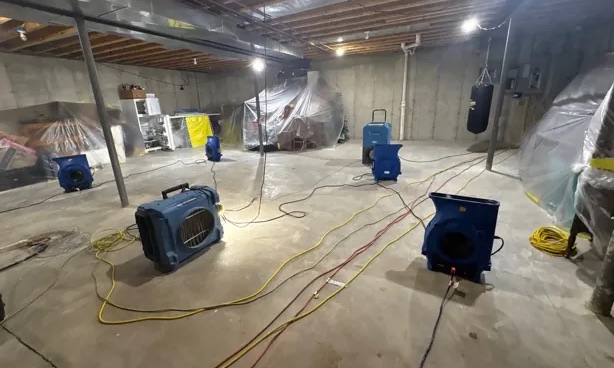
Expert Basement Water Removal in Wall Township, Belmar, Manasquan and Neptune
Basement Water Removal in Wall Township protects more than the floor. Furnaces, water heaters, washers and stored belongings in the basement can all be damaged by standing water.
Homes in Wall Township and nearby Belmar, Manasquan and Neptune with basements face storm seepage, sewer backups and plumbing leaks. Help with basement water removal covers pump-out, wall and floor drying and dehumidification.
Comprehensive Basement Water Removal Solutions
Basement Water Pump Out
Pumping starts once power to the basement is safe. Deep water goes first, then extractors handle the thin layer left on the floor.
Basement Moisture Inspection
Moisture meters and thermal cameras check walls, floors and the slab for water that is not visible, including behind finished walls.
Basement Dehumidification
Large dehumidifiers pull moisture from basement air, which lets walls, framing and the slab release the water they absorbed.
Basement Drying Services
Drying plans for basements account for cool air and thick concrete, which hold moisture longer than upper floors.
Sump Pump Failure Water Cleanup
A backup pump or battery system is worth discussing with a plumber after the cleanup, since sump failures often repeat in storms.
Common Symptoms Requiring Basement Water Removal
Wet or Damp Basement Walls
Basement walls that look dark, feel damp or show tide lines are taking on or holding water.
Soggy or Wet Carpeting
Carpet that feels damp or smells sour is holding water in the pad against the concrete.
Standing Water in Basement
Standing water anywhere on the basement floor needs to be pumped out before it soaks the walls.
High Humidity and Condensation
Water on pipes and windows, or a constantly clammy feel, means basement humidity is too high.
How Basement Water Removal Works in Wall Township
Step 1: Safety Assessment and Pump Out
Electrical hazards are checked, then deep water is pumped outside away from the foundation.
Step 2: Content Removal and Damage Documentation
Wet belongings are moved, and photos record the water level and damaged materials.
Step 3: Targeted Water Removal and Drying
Carpet is extracted, wet drywall is cut back and air is aimed at walls and the slab.
Step 4: Sanitization and Moisture Control
Surfaces touched by dirty water are disinfected, and dehumidifiers keep humidity low.
Sources of Basement Water Problems
Appliance Malfunctions and Overflows
Washers, utility sinks and water softeners in the basement can overflow or leak.
Clogged or Damaged Gutters
Clogged gutters and short downspouts dump roof water right next to the foundation.
Plumbing Leaks or Pipe Bursts
Supply lines, drain pipes and water heaters in the basement can leak or burst onto the floor.
Foundation Cracks and Seepage
Cracks in foundation walls and the slab let groundwater seep in during wet weather.
Professional Basement Water Removal for All Properties
Residential Basement Water Removal
In homes, a wet basement often means damaged carpet, drywall and stored belongings, plus a furnace or water heater sitting in water. Water is pumped out and the space dried.
Commercial Basement Water Removal
In commercial buildings, basements often house mechanical rooms and storage. Water is removed quickly so systems can be checked and restarted safely.
When to Hire Local Pros for Basement Water Removal
You can move belongings up off the floor and run the dehumidifier you already own. Drying soaked walls and slab needs larger equipment and readings to confirm the job is done.
What Influences the Price of Basement Water Removal
Sewage cleanup, finished walls, after-hours calls and damaged appliances all add to the total for basement water removal in Wall Township.
Basement Square Footage
Larger basements need more extraction, more drying equipment and more days of drying.
Drying Time Required
Basements dry slowly, and each extra day of equipment adds to the total.
Access and Complexity
Narrow stairs, low ceilings and crowded storage areas make the work slower and longer.
Does Insurance Cover Basement Water Removal?
Flooding from outside water usually needs separate flood insurance. Water from a broken pipe or appliance inside is more often covered.
Why Wall Township Homeowners Trust Local Pros for Basement Water Removal
24/7 Emergency Response
Help is available day or night when water is rising in the basement.
Moisture Inspection
Meters and thermal cameras find water in walls, floors and slab that looks dry.
Industry Drying Standards
Water removal and drying follow industry water damage standards, with readings at every visit.
24/7 Emergency Basement Water Removal in Wall Township
Basement taking on water in Wall Township? Make power safe if you can, move what you can and call (347) 983-9353. Help is available 24/7.
Call Now (347) 983-9353Local Basement Water Removal Coverage for Belmar, Manasquan and Neptune
Basement water removal also covers homes and buildings in Belmar, Manasquan and Neptune, close to Wall Township, day or night.
- Basement Water Removal in Belmar
- Basement Water Removal in Manasquan
- Basement Water Removal in Neptune
- Basement Water Removal in Brielle
- Basement Water Removal in Asbury Park
- Basement Water Removal in Point Pleasant
- Basement Water Removal in Ocean Township
- Basement Water Removal in Brick
- Emergency Damage Restoration in 08720
- Storm Damage Restoration in 08720
- Water Damage Restoration in 08720
- Water Extraction Service in 08720
- Water Leak Detection in 08720
- Water Removal Service in 08720
Common Basement Water Removal Questions Answered
Is a sump pump failure an emergency?
Yes, especially during rain. Groundwater can rise quickly once the pump stops, flooding the floor and finished rooms.
Can wet drywall in a basement be saved?
Sometimes, if the water was clean and removed quickly. Soaked or contaminated drywall is cut out above the water line.
How is contaminated water handled in a basement?
With protective gear, containment, removal of porous materials and disinfection of hard surfaces before drying.
What equipment is used for basement water extraction?
Submersible pumps, extractors, wet vacs, air movers, large dehumidifiers and moisture meters to confirm drying.
How is basement wall drying done?
Wet drywall is cut back, insulation removed and directed airflow and dehumidifiers dry the studs and masonry.