Toms River, NJ · Ocean County
Basement Water Removal in Toms River, NJEmergency Basement Flooding & Basement Dehumidification
Get basement water removal in Toms River for emergency basement flooding, basement water pump out and basement floor water damage.
Answered 24/7
Basement Water Removal Solutions for Toms River Homeowners
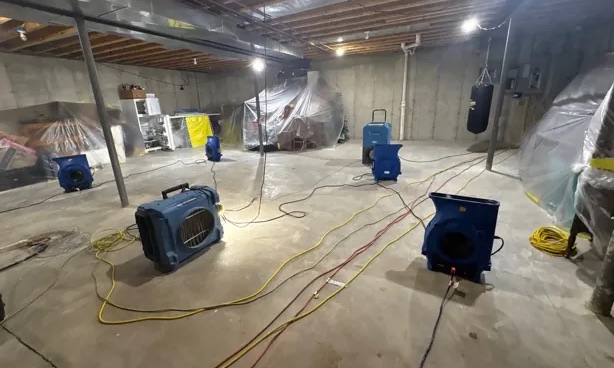
Dehumidification is the slow but necessary part of basement water removal in Toms River. Pumps remove standing water quickly, but walls and concrete keep releasing moisture for days.
Homes in Toms River and nearby Beachwood, Brick and Lakewood with basements face storm seepage, sewer backups and plumbing leaks. Help with basement water removal covers pump-out, wall and floor drying and dehumidification.
Professional Basement Water Removal Offerings
Emergency Basement Flooding
Emergency response starts with making power safe, stopping the source if possible and pumping out the water.
Basement Dehumidification
Dehumidifiers run continuously during drying, and their output is checked to track how much water is still coming out of the materials.
Sump Pump Failure Water Cleanup
When a sump pump stops, groundwater spreads across the floor. The water is pumped out and the floor and lower walls are extracted.
Basement Floor Water Damage
Water on a basement floor soaks into carpet pad, laminate seams and the concrete itself. Floor coverings are lifted where needed so the slab can dry.
Basement Wall Drying
Opening the bottom of finished walls lets air reach the studs and sill plate, which otherwise stay wet behind the drywall.
Warning Signs You Need Basement Water Removal
Wet or Damp Basement Walls
Basement walls that look dark, feel damp or show tide lines are taking on or holding water.
High Humidity and Condensation
Water on pipes and windows, or a constantly clammy feel, means basement humidity is too high.
Efflorescence on Concrete Walls
White, powdery deposits on concrete walls mean water is passing through the masonry.
Rusted Appliances or Furniture
Rust on appliance bases, furniture legs or metal shelving points to standing water or long-term dampness.
How Basement Water Removal Works in Toms River
Step 1: Safety Assessment and Pump Out
Electrical hazards are checked, then deep water is pumped outside away from the foundation.
Step 2: Content Removal and Damage Documentation
Wet belongings are moved, and photos record the water level and damaged materials.
Step 3: Targeted Water Removal and Drying
Carpet is extracted, wet drywall is cut back and air is aimed at walls and the slab.
Step 4: Sanitization and Moisture Control
Surfaces touched by dirty water are disinfected, and dehumidifiers keep humidity low.
Common Causes of Basement Flooding in Toms River
Clogged or Damaged Gutters
Clogged gutters and short downspouts dump roof water right next to the foundation.
Plumbing Leaks or Pipe Bursts
Supply lines, drain pipes and water heaters in the basement can leak or burst onto the floor.
Foundation Cracks and Seepage
Cracks in foundation walls and the slab let groundwater seep in during wet weather.
High Water Table and Hydrostatic Pressure
A high water table presses groundwater against the slab and walls, forcing it inside.
Basement Water Removal for Homes and Businesses
Residential Basement Water Removal
In homes, a wet basement often means damaged carpet, drywall and stored belongings, plus a furnace or water heater sitting in water. Water is pumped out and the space dried.
Commercial Basement Water Removal
In commercial buildings, basements often house mechanical rooms and storage. Water is removed quickly so systems can be checked and restarted safely.
Why DIY Basement Water Removal Often Fails in Toms River
A small puddle on bare concrete can be handled with a wet vac, towels and a dehumidifier. Call local basement water removal pros if water reached carpet, drywall or framing, or covers much of the floor.
Factors Affecting Basement Water Removal Cost
A basement pumped out the same day in Toms River usually needs less drywall and flooring replaced than one left wet for days.
Additional Services
Antimicrobial treatment, contents cleaning and repairs after drying add to the cost.
Affected Materials
Finished walls, carpet and laminate take more removal work than bare concrete.
Access and Complexity
Narrow stairs, low ceilings and crowded storage areas make the work slower and longer.
Does Insurance Cover Basement Water Removal?
Photos, moisture readings and drying logs from the pros help support an insurance claim for basement water damage in Toms River.
Advantages of Local Basement Water Removal Experts
Focus on Drying Outcomes
Drying continues until readings are normal, not just until surfaces look dry.
Methodical Water Removal Process
Water is removed in a set order: pump-out, extraction, removal of soaked materials, then drying.
24/7 Emergency Response
Help is available day or night when water is rising in the basement.
Emergency Basement Flood Response in Toms River
Water still rising in the basement? Call (347) 983-9353 now for basement water removal in Toms River before the water reaches finished rooms and stored belongings.
Call Now (347) 983-9353Communities Served for Basement Water Removal
Help with basement water removal reaches Beachwood, Brick and Lakewood, plus other communities around Toms River, for finished and unfinished basements alike.
- Basement Water Removal in Beachwood
- Basement Water Removal in Brick
- Basement Water Removal in Lakewood
- Basement Water Removal in Point Pleasant
- Basement Water Removal in Howell
- Basement Water Removal in Jackson
- Basement Water Removal in Brielle
- Basement Water Removal in Manasquan
- Emergency Damage Restoration in 08753
- Storm Damage Restoration in 08753
- Water Damage Restoration in 08753
- Water Extraction Service in 08753
- Water Leak Detection in 08753
- Water Removal Service in 08753
- Emergency Damage Restoration in 08754
- Storm Damage Restoration in 08754
Basement Water Removal in Toms River: Your Questions
Why is basement dehumidification important after pumping?
Walls and concrete keep releasing moisture for days. Dehumidifiers remove it so the basement does not stay damp.
How long does basement drying take?
Often several days or longer, because concrete and cool basement air hold moisture. Daily readings show when it is done.
Does basement flood cleanup include mold prevention?
Fast drying is the main prevention. Wood and concrete that stayed wet can be treated with an antimicrobial once dry.
What equipment is used for basement water extraction?
Submersible pumps, extractors, wet vacs, air movers, large dehumidifiers and moisture meters to confirm drying.
Why is fast water removal so important for basements?
Basements dry slowly, so every hour of standing water adds drying days and more materials to replace.