Hillside, NJ · Union County
Basement Water Removal in Hillside, NJBasement Wall Drying & Emergency Basement Flooding
Homeowners in Hillside get Basement Water Removal for basement floor water damage, basement water pump out and basement moisture inspection.
Answered 24/7
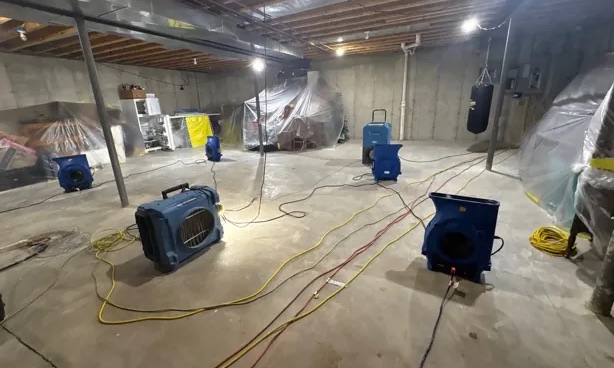
Professional Basement Water Removal in Hillside, NJ
Basement Water Removal in Hillside starts with safety. Water near the furnace, water heater or electrical panel can be dangerous, so power is made safe before anyone steps into it.
A single storm or burst pipe in Hillside can flood a basement. Local water extraction experts serve Hillside and nearby Union, Elizabeth and Maplewood, with help available around the clock.
Professional Basement Water Removal Offerings
Basement Wall Drying
Opening the bottom of finished walls lets air reach the studs and sill plate, which otherwise stay wet behind the drywall.
Emergency Basement Flooding
Help is available any hour when water is rising in the basement from a storm, a sewer backup or a burst pipe.
Basement Moisture Inspection
An inspection shows how high water wicked up the walls and how far it spread under flooring, which sets the drying plan.
Basement Water Pump Out
Pumping starts once power to the basement is safe. Deep water goes first, then extractors handle the thin layer left on the floor.
Basement Floor Water Damage
Flooring that buckled or swelled is removed. Tile and sealed concrete can often be cleaned and dried in place.
Indicators You Need Professional Water Removal
Gurgling Sounds From Drains
Gurgling floor drains or slow drains can be an early sign of a sewer line problem.
Water Stains on Walls or Ceiling
Stains on lower walls or the ceiling below a bathroom or kitchen point to a leak.
Mold or Mildew
Dark spots on drywall, framing or stored items mean the area has stayed wet for days.
Musty Odors and Mold Smell
A musty or damp smell in the basement points to wet materials hidden somewhere in the space.
How Basement Water Removal Works in Hillside
Step 1: Source Control and Water Pump Out
The leak is shut off and standing water is pumped out, starting at the lowest point.
Step 2: Water Extraction
Extractors pull water from carpet, pad and concrete, and wet vacs clear corners and stairs.
Step 3: Dehumidification and Drying
Large dehumidifiers and air movers dry walls, framing and slab over several days.
Step 4: Inspection and Clearance for Repair
Final readings confirm the basement is dry and ready for drywall and flooring repairs.
Common Causes of Basement Flooding in Hillside
Plumbing Leaks or Pipe Bursts
Supply lines, drain pipes and water heaters in the basement can leak or burst onto the floor.
Sewer Line Backups and Blockages
A blocked sewer line can push wastewater up through basement floor drains and toilets.
Improper Landscape Grading
Soil that slopes toward the house directs rainwater straight to the basement walls.
Foundation Cracks and Seepage
Cracks in foundation walls and the slab let groundwater seep in during wet weather.
Residential and Commercial Basement Water Removal in Hillside
Residential Basement Water Removal
Older homes with a basement may see seepage with every heavy storm. Water removal handles the current damage, and the entry point is noted for a waterproofing contractor.
Commercial Basement Water Removal
Multi-unit buildings with shared basements need each storage and laundry area pumped, dried and documented for the property manager.
When to Hire Local Pros for Basement Water Removal
A small puddle on bare concrete can be handled with a wet vac, towels and a dehumidifier. Call the experts if water reached carpet, drywall or framing, or covers much of the floor.
Understanding Basement Water Removal Pricing
Sewage cleanup, finished walls, after-hours calls and damaged appliances all add to the total for basement water removal in Hillside.
Affected Materials
Finished walls, carpet and laminate take more removal work than bare concrete.
Basement Square Footage
Larger basements need more extraction, more drying equipment and more days of drying.
Additional Services
Antimicrobial treatment, contents cleaning and repairs after drying add to the cost.
Does Insurance Cover Basement Water Removal?
Photograph the water level, damaged belongings and appliances before cleanup, and keep receipts for emergency pumping and drying equipment for your adjuster.
Advantages of Local Basement Water Removal Experts
Methodical Water Removal Process
Water is removed in a set order: pump-out, extraction, removal of soaked materials, then drying.
Focus on Drying Outcomes
Drying continues until readings are normal, not just until surfaces look dry.
Detailed Damage Documentation
Photos, readings and drying logs are kept to support your insurance claim.
Round-the-Clock Basement Water Removal for Hillside
Storm night, weekend or holiday, the experts handle basement water in Hillside. Call (347) 983-9353 to get pumps running and drying started.
Call Now (347) 983-9353Communities Served for Basement Water Removal
Basement water removal also covers homes and buildings in Union, Elizabeth and Maplewood, close to Hillside, day or night.
- Basement Water Removal in Union
- Basement Water Removal in Elizabeth
- Basement Water Removal in Maplewood
- Basement Water Removal in South Orange
- Basement Water Removal in Roselle
- Basement Water Removal in Millburn
- Basement Water Removal in Linden
- Basement Water Removal in Cranford
- Emergency Damage Restoration in 07205
- Storm Damage Restoration in 07205
- Water Damage Restoration in 07205
- Water Extraction Service in 07205
- Water Leak Detection in 07205
- Water Removal Service in 07205
Basement Water Removal in Hillside: Your Questions
How long does basement drying take?
Often several days or longer, because concrete and cool basement air hold moisture. Daily readings show when it is done.
What is involved in basement water removal?
Making power safe, pumping out standing water, extracting floors and carpet, removing soaked materials and dehumidifying until dry.
What equipment is used for basement water extraction?
Submersible pumps, extractors, wet vacs, air movers, large dehumidifiers and moisture meters to confirm drying.
What causes basement floor water damage?
Storm seepage, burst pipes, appliance leaks, foundation cracks and sewer backups through floor drains are the usual sources.
What is the difference between a pump out and extraction?
A pump out removes deep standing water. Extraction pulls the remaining water from carpet, pad and floors.